Stelliferous Era
The universe’s brightest and most dynamic chapter: the age of light. Stars ignite, elements form, and complexity blooms. Life and observers arise during this brief but brilliant phase.
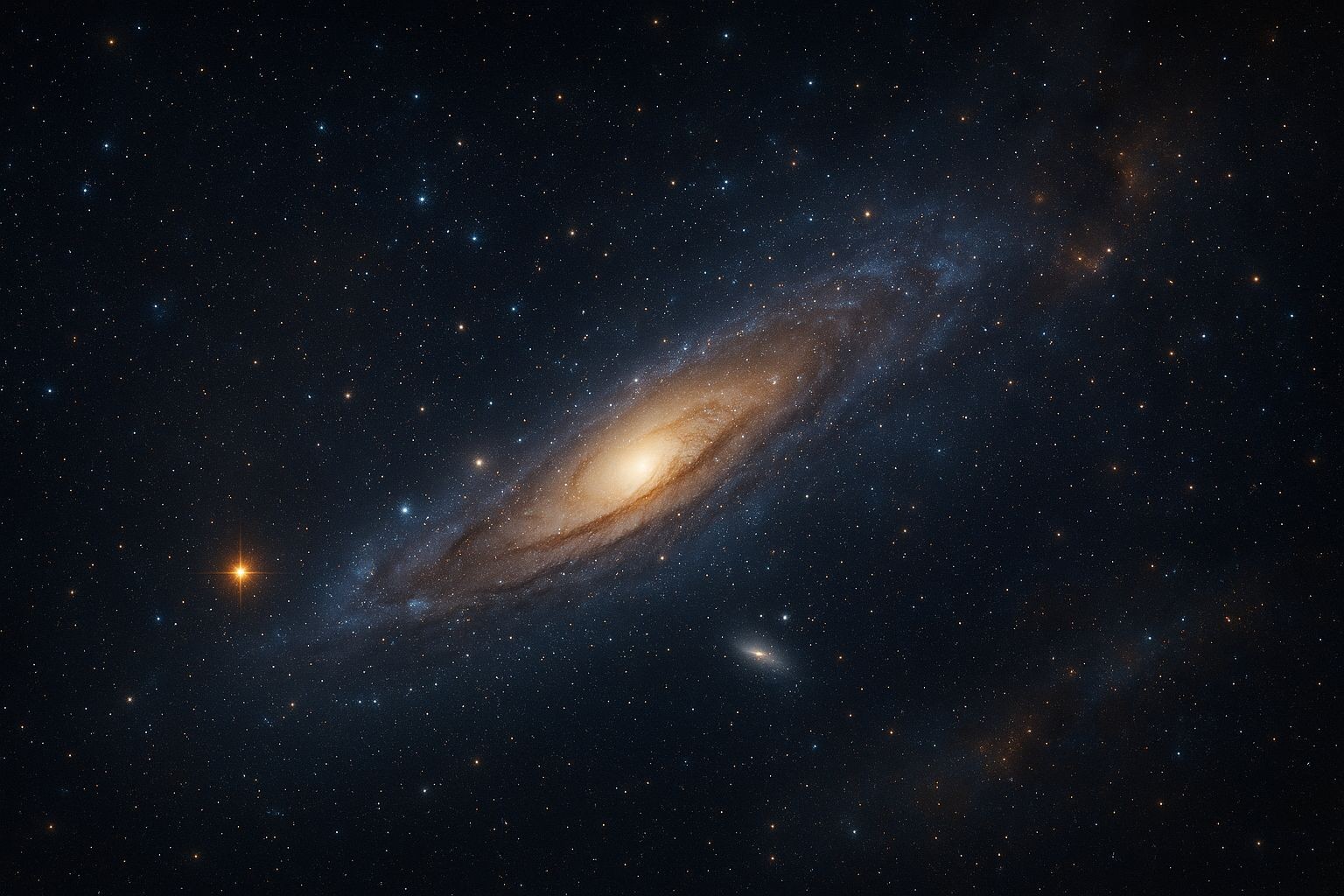
The stelliferous era is the long stretch of cosmic time when stars are actively forming and shining. Beginning hundreds of millions of years after the Big Bang and lasting for trillions of years, it’s marked by bright, active galaxies and the creation of heavier elements through star’s life cycles. This era represents the universe’s most vibrant period, filled with starlight and ongoing cosmic activity.
Humans exist in the stelliferous era, the period when stars are actively shining and galaxies are full of energy. This is the universe’s bright, star filled phase-and we are living right in the middle of it.
By Harleah Fonteyn

Population III Epoch
The population III Epoch was the time when the very first stars-called population III stars-formed. These stars were made almost entirely of hydrogen and helium, since heavier elements didn’t exist yet. They were…
Reionisation Epoch
The reionisation epoch was the period when the first stars and galaxies emitted enough high-energy light to reionise the hydrogen gas filling the universe. After the long “dark age,” this radiation cleared the fog-like…
Peak Star-Formation Epoch
The peak star-formation Epoch was the period, roughly 10-11 billion years ago, when the universe formed new stars at its highest rate. Galaxies were rich in cold gas, which fueled rapid star birth, making them brighter…
Declining Star-Formation Epoch
The declining star-formation Epoch is the era after the universe's peak star-forming period, when galaxies began producing new stars much more slowly. Their gas supplies were running low or being heated and blown away…
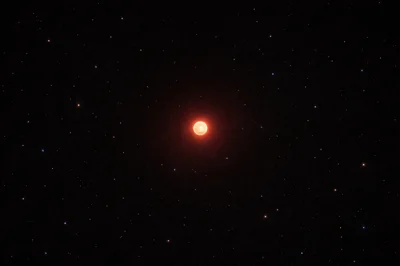
Red-Dwarf Dominance Epoch
The red-dwarf dominance epoch is the long future era when most new stars being formed are small, cool red dwarfs, and many larger stars have already died. Because red dwarfs burn their fuel extremely slowly, they become…