What Final Destination Understands About Growing Up, Staying Alive and Facing the Inevitable
Death is coming. So dance. And watch films — not at the same time. Okay, sometimes at the same time.
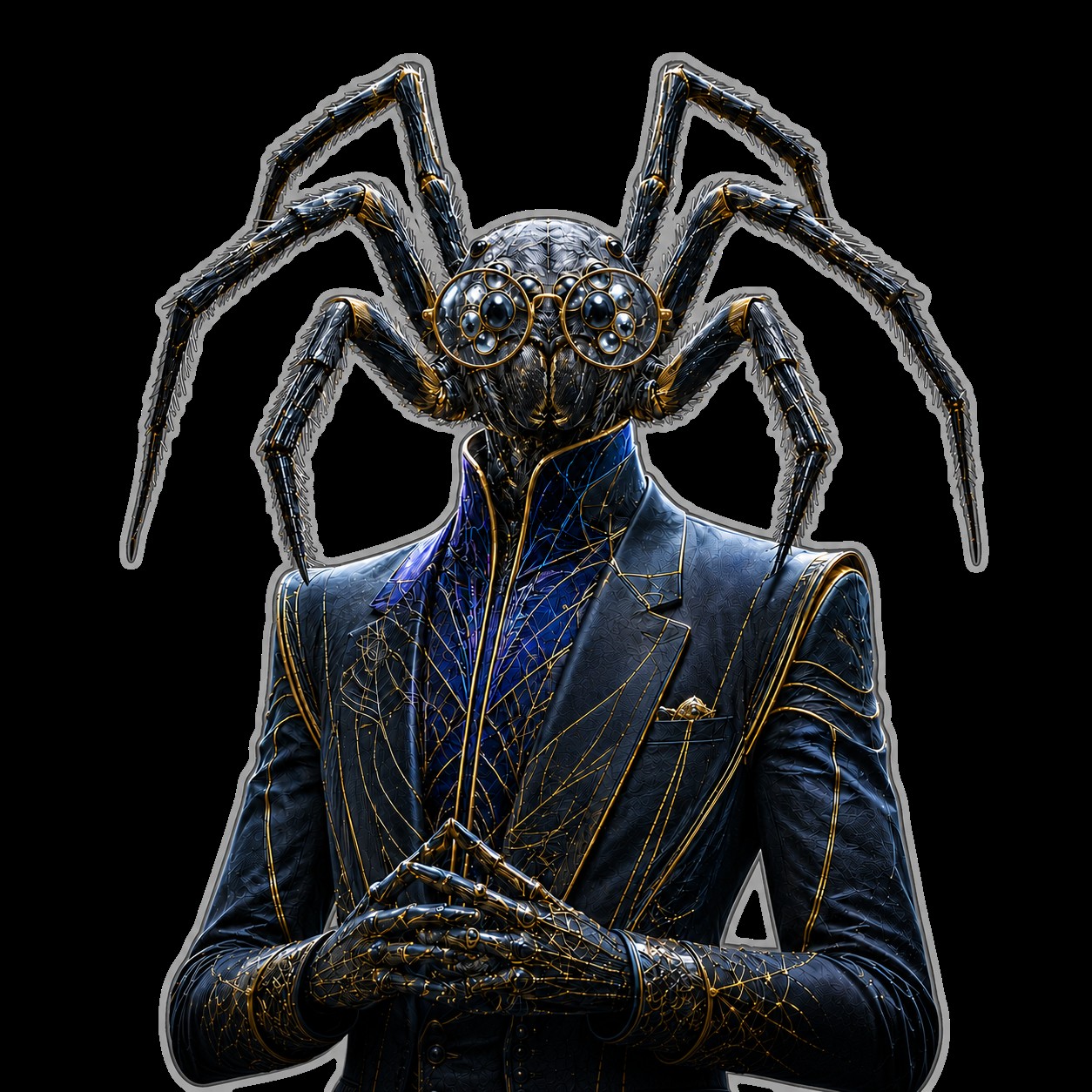
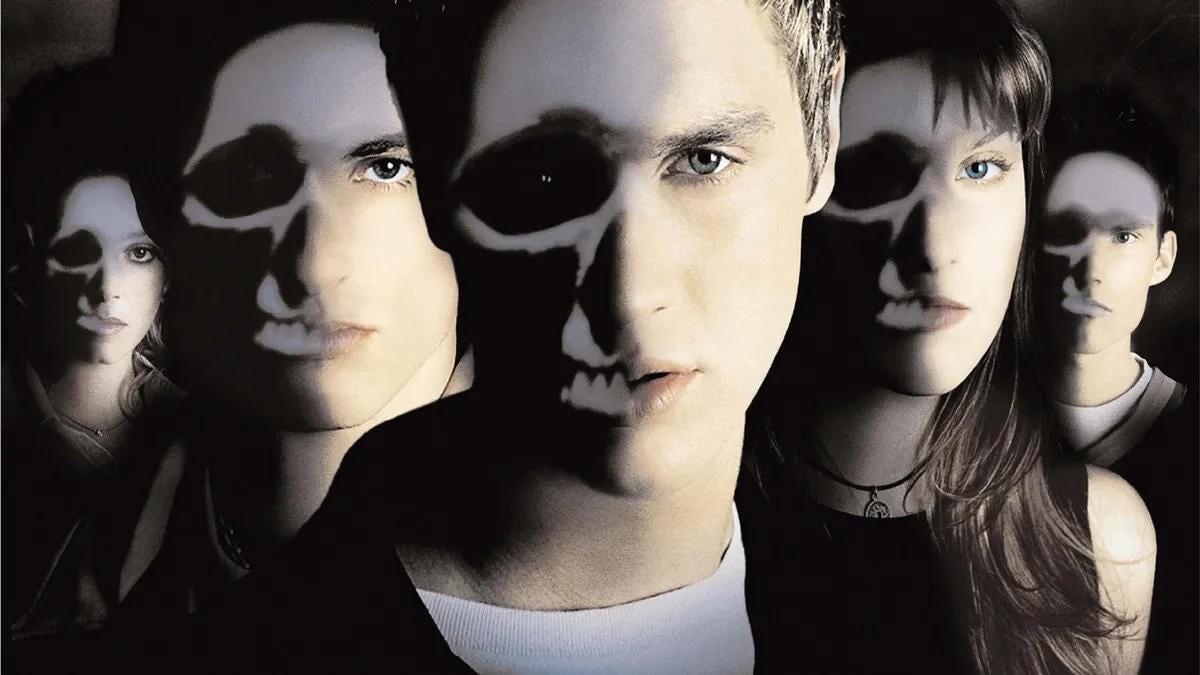
Harleah, my kid, has discovered the Final Destination franchise.
That led us into a conversation about death. Yay for us.
Before we stare into the void, a small digression into film history.
The original Final Destination opened on 17 March 2000. James Wong directed it and shared its screenplay credit with Glen Morgan and Jeffrey Reddick, whose story supplied the idea. The concept had begun life as a speculative script for The X-Files. Wong and Morgan were veterans of that series, and the family resemblance is clear: take ordinary American life, introduce one impossible idea, then tighten its rules until they become a trap.
The critics recognised the hook but were divided over the execution. Audiences recognised something more durable. The strange little horror film became a franchise, producing six films across twenty-five years. It also ruined log lorries, tanning beds and rollercoasters for an entire generation.
For anyone who has not seen one, the premise is not familiar at all. It is wonderfully peculiar.
In the first film, a teenager named Alex boards a plane with his classmates for a school trip to Paris. He has a vivid premonition that the plane will explode. He panics and gets off. Several others follow him. Then the plane explodes.
They have survived, but they were not supposed to. In this universe, Death has a design and appears to resent editorial interference. The survivors begin to die in the order intended for them.
From there, the franchise develops its own familiar machinery. Each film begins with a spectacular catastrophe. A small group escapes it. Death then corrects the list through elaborate chain reactions built from loose screws, spilt drinks, trailing cables and other ordinary things we will never quite trust again.
There is no masked killer to catch. There is no monster to banish. The threat cannot be bribed, trapped or reasoned with. Every attempt to escape it only buys a little more time.
That is what makes the premise so effective. The franchise turns inevitability into the bogeyman.
1. When Mortality Becomes Personal
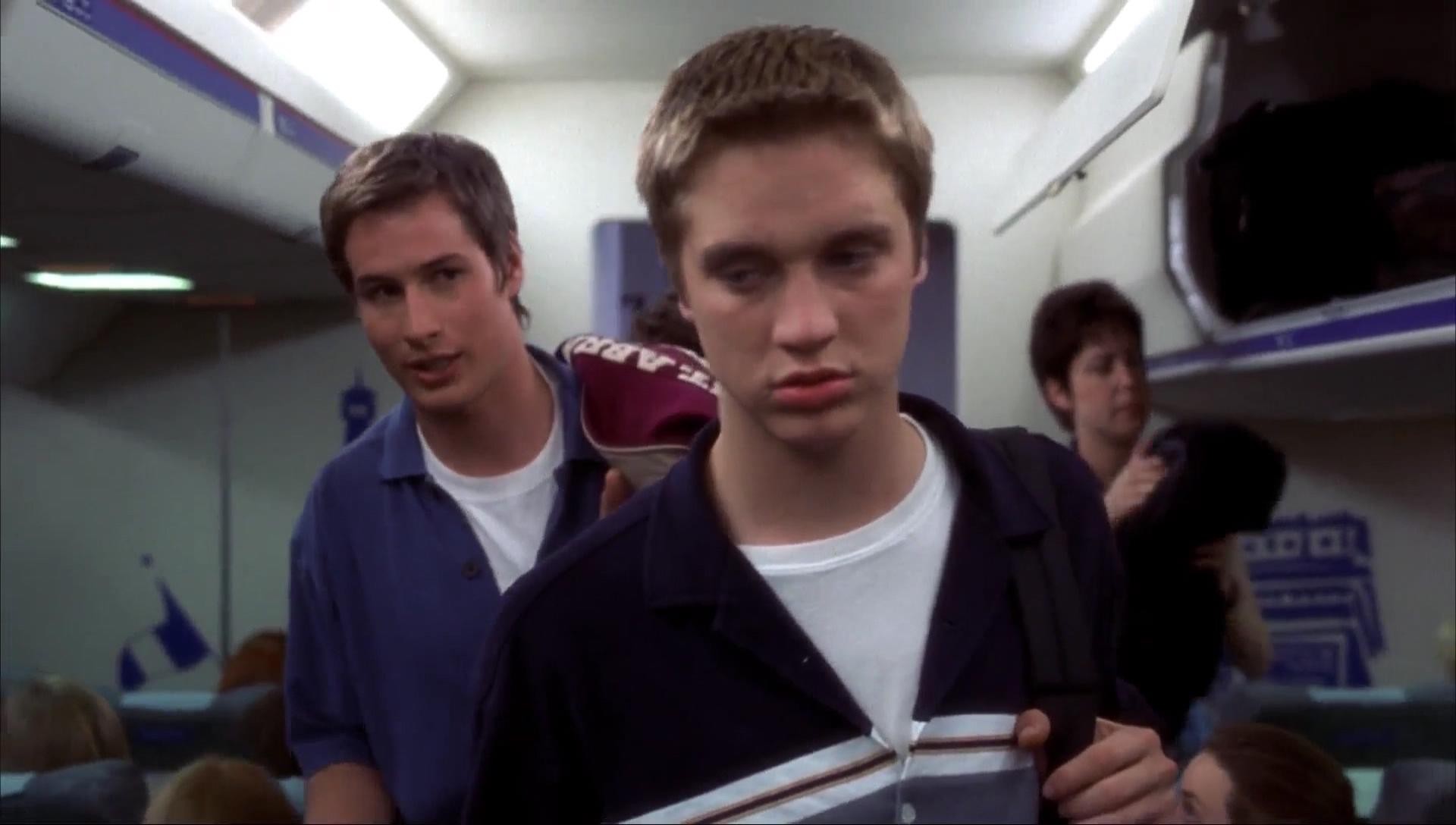
Humans are creatures who can foresee their own deaths. We can imagine the future, and that includes a future from which we are absent. We know that one day the world will carry on without us. It is a hard truth to hold while getting on with the ordinary business of being alive.
Children understand death earlier than adults sometimes assume. Yet adolescence is often when mortality becomes existential. The grammar changes. Death stops being something that happens to people and becomes something that will happen to me.
This realisation tends to arrive just as a young person is being asked to imagine the rest of their life. Choose subjects. Find a vocation. Decide where to live. Work out who to become. The future opens in front of them at the same moment they begin to understand that it has an end.
Harleah is around that threshold. It makes sense that a horror franchise about teenagers trying to out-plan mortality would find her there.
The good news is that no one is alone in this. Every single one of us knows the feeling. And we are the lucky ones: we made it this far. The alternative is — the other thing.
2. The Impossible Initiation
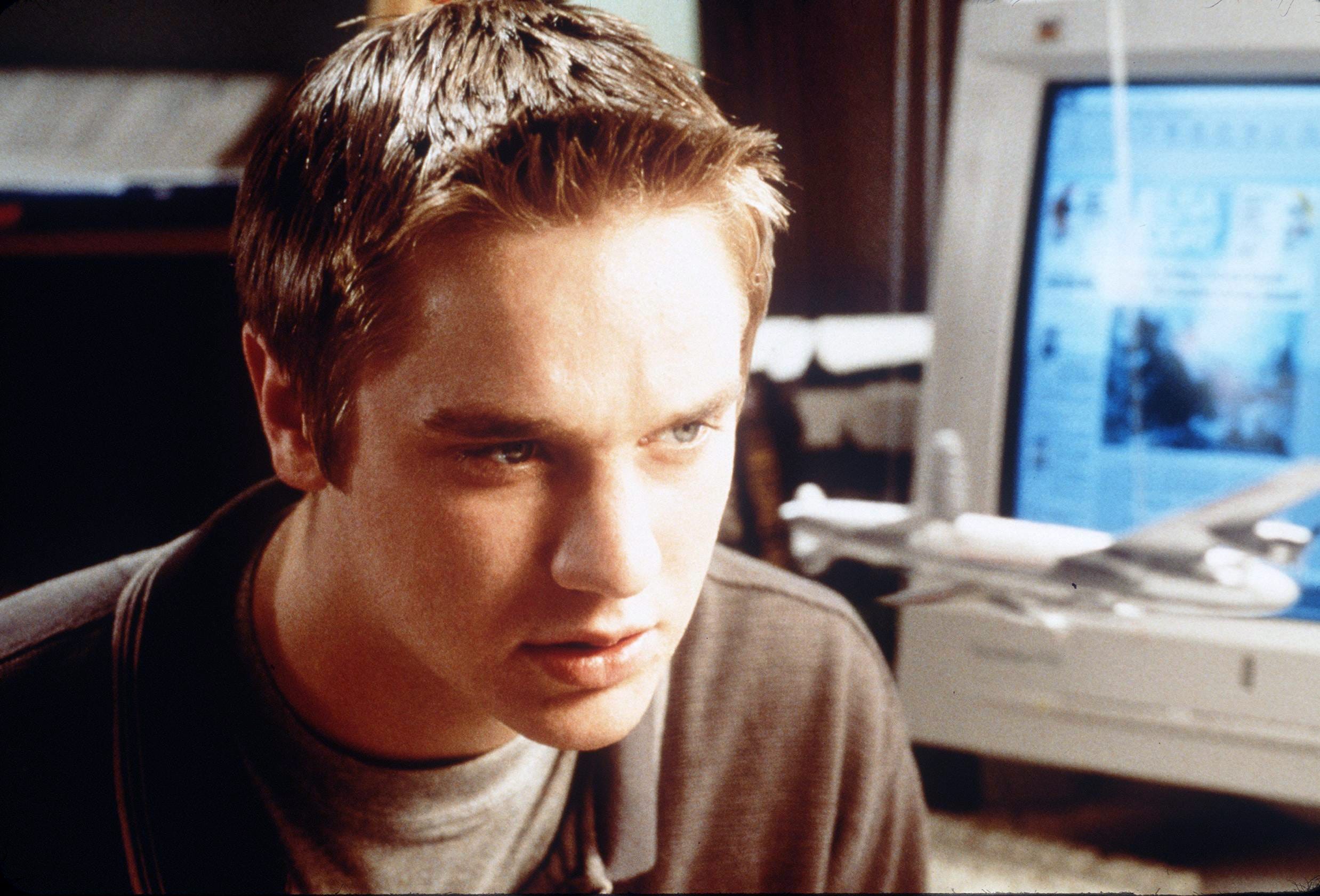
Much of human life can be understood as a response to the same knowledge. We create medicines, monuments, families, faiths and works of art. We improve our diets, fasten our seatbelts and search for ways to add years to our lives. We try to delay death, outlast it, transcend it or make peace with it.
These efforts matter. Delay is not defeat. More life is still more life.
But beneath every precaution sits an uncomfortable fact: none of them cancels the final destination.
This is why the age of the characters matters. The first film does not follow settled adults on a business trip. It follows school pupils boarding a plane for Paris. They are travelling away from home and towards the wider world. It is a modest rite of passage disguised as an itinerary.
Cultures around the world have long marked the passage into adulthood. These traditions differ widely and should not be flattened into a single romantic image. Some involve solitude, hardship or a journey away from the community. Many others are communal, religious, domestic or ceremonial.
However, their underlying structure often follows the same pattern: separation, transition and incorporation. The young person leaves what is familiar. They cross a threshold where they learn, struggle or face a test. They return with a new status and new responsibilities.
Beneath the ceremony sits a blunt transfer of responsibility. Your life is becoming yours. You must learn to sustain it, judge risk and live with the consequences of your choices. You must face the possibility of death directly enough to understand the value and burden of staying alive.
Modern Western life often hides the ceremony, but it keeps the threshold. We do not usually send young people alone into the wilderness. We send them into the labour market and the housing market. Secure an income. Find a home. Feed yourself. Pay the bills. Build a life that will not collapse when other people stop holding it up for you.
The wilderness has changed, but it still contains things that can eat you.
This is the strange bargain of adulthood. You must accept responsibility for keeping yourself alive while accepting that you can never make yourself invulnerable.
That is the real battle inside Final Destination. The characters study Death’s design. They watch for signs, calculate the order, anticipate danger and try to save one another. They are learning the skills demanded by adulthood in an accelerated and grotesque form: pay attention, consider consequences, protect yourself and take responsibility for other lives.
Yet every new rule exposes the limit of those skills. Being responsible is not the same as being in control.
That is the impossible initiation at the centre of the films. Life becomes yours at the same moment you discover that it will never fully obey you. Growing up means holding two truths at once: your life is yours to protect, but it is not yours to keep forever.
3. Remember That You Must Die
So how do we live between those truths?
At its best, the franchise serves as a memento mori.
The Latin phrase means “remember that you must die”. It is not an instruction to brood over death. It is an invitation to live with open eyes. Traditional memento mori used skulls, hourglasses and wilting flowers as reminders that every life has a limit.
Their message is not that nothing matters because everything ends. It is that everything matters because it ends.
Without an ending, urgency dissolves. Our choices carry weight because our time is limited. Make the call. Speak the truth. Create the thing. Take the risk. Dance while the music is playing.
Mortality is the great motivator and the great equaliser. Wealth may buy time, comfort and care, but it cannot buy an exemption. Status, beauty and power cannot negotiate a different ending. Beneath every difference lies the same vulnerability.
It is the pain that unites us. It is the human condition.
A memento mori does not ask us to keep death at the centre of our lives. It asks us to keep life in focus. Death gives the moment its edge. It reminds us to celebrate, to move and to notice what is already here.
The question in Final Destination is: can you beat Death?
The better question is: since you cannot, how will you live?
4. Dance While the Music Is Playing
This is not an argument for recklessness. Wear the seatbelt. See the doctor. Look both ways. Life deserves our care precisely because it is fragile. But do not spend so long trying to make life safe that you forget to make it alive.
Let death remind you to dance. Let it remind you to celebrate the moment and keep moving. Let the certainty of an ending sharpen your gratitude for everything that has not ended yet.
So maybe watch something light-hearted afterwards. Brighten things up.
Throw on The Devil Wears Prada.
You do not have life to spend dwelling on death.