What Mission: Impossible – Dead Reckoning Teaches Us About Agency
Dead Reckoning is the seventh instalment in the Mission: Impossible franchise, directed by Christopher McQuarrie and starring Tom Cruise as IMF agent Ethan Hunt. Released in 2023, the film raised the stakes from nuclear threats to a predictive AI known as the Entity. It reframes Ethan not as a superspy, but as a man fighting for freedom in a world that anticipates his every move.
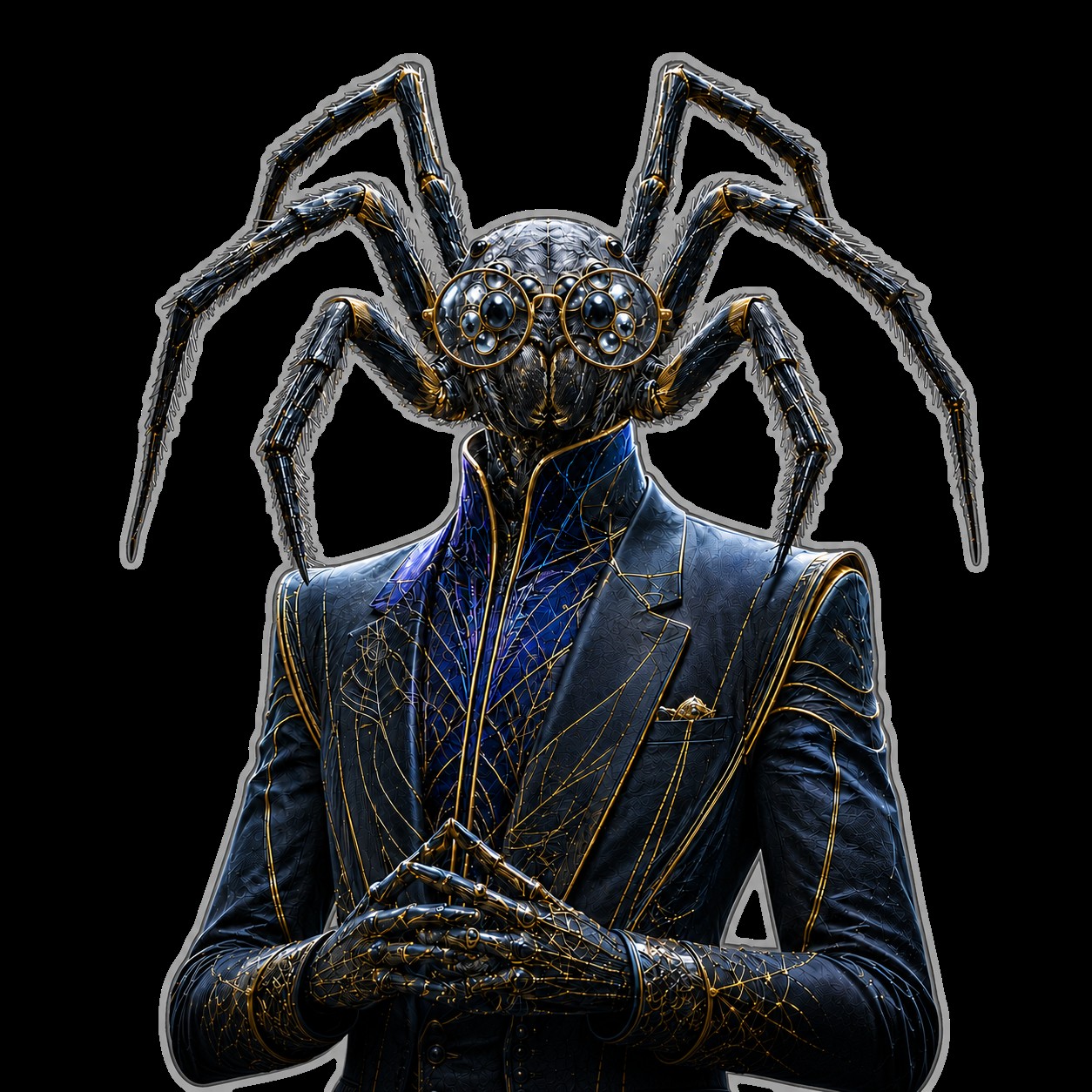

Mission: Impossible – Dead Reckoning is the seventh instalment in the franchise, directed by Christopher McQuarrie and starring Tom Cruise as IMF agent Ethan Hunt. Released in 2023 as Dead Reckoning Part One, the film shifts the central threat from weapons of mass destruction to a predictive AI known as the Entity.
The Entity can manipulate information, anticipate behaviour and shape situations before people understand what is happening. It turns the familiar struggle between Ethan and his enemies into a deeper question: if a system can predict your decisions, are those decisions still yours?
The film’s answer is yes. Ethan is not free because he is impossible to predict. He is free because his choices remain grounded in values that neither the Entity nor the institutions pursuing it can determine for him.
1. People Are Not Variables

The governments, intelligence agencies and machines surrounding Ethan view people strategically. Every life has a value. Every loss can be weighed against the success of the mission.
Ethan refuses this calculation.
The opening desert sequence establishes that refusal through his determination to protect Ilsa. He will not treat her as a disposable part of a larger operation. Throughout the film, he makes the same choice whenever someone becomes expendable in the eyes of the system.
This is not simply a case of choosing emotion over logic. Ethan rejects the logic itself. He refuses to accept that efficiency gives an institution the right to decide whose life matters.
Agency sometimes means choosing between the options in front of us. At other times, it means questioning who created those options and what they excluded.
2. Refusing the System’s Objective

The Entity is dangerous, but so is the desire to control it.
The governments pursuing the key do not merely want to stop the Entity. They want to possess its power. Ethan recognises that placing it under the authority of one state would not solve the problem. It would only determine who benefits from it.
He therefore rejects the objective assigned to him. His mission becomes destroying the Entity rather than delivering it to another system of control.
This distinction matters. Obedience can appear responsible when someone else defines success. Ethan exercises agency by examining the objective itself.
He does not ask only, “How do I complete this mission?” He asks, “Should anyone complete it in the form we have been given?”
3. Prediction Is Not Control
The Entity studies Ethan and understands his loyalties. It knows he will risk an operation to protect another person. His principles make some of his actions predictable.
That does not make them any less his.
A promise does not cease to be freely chosen because someone expects you to keep it. Loyalty does not become programming because an adversary knows you will remain loyal.
Unpredictability alone is not freedom. A random event is unpredictable, but it has no agency. A person can behave erratically while remaining trapped by fear, impulse or manipulation.
Ethan’s resistance comes from authorship. The Entity may anticipate what he will do. It may even construct situations designed to exploit his values. But it does not decide why he acts or what he considers worth protecting.
Prediction can restrict a person’s decision space. It cannot own the decisions they continue to make within it.
4. Acting Without Guarantees
Agency is not the same as control.
Ethan plans carefully, but he rarely controls the entire situation. He acts with incomplete information, limited time and no guarantee of survival. His motorcycle leap from the mountain captures this principle in its most spectacular form.
The leap matters because he commits himself when certainty is impossible. He accepts personal risk without declaring other people expendable.
This is the crucial distinction between sacrifice and self-sacrifice. Ethan may sacrifice his safety, his freedom or his future. What he refuses to sacrifice is someone else’s life for the convenience of the mission.
Agency does not ensure success. It means accepting responsibility for a choice even when the outcome remains uncertain.
5. Agency Is Relational
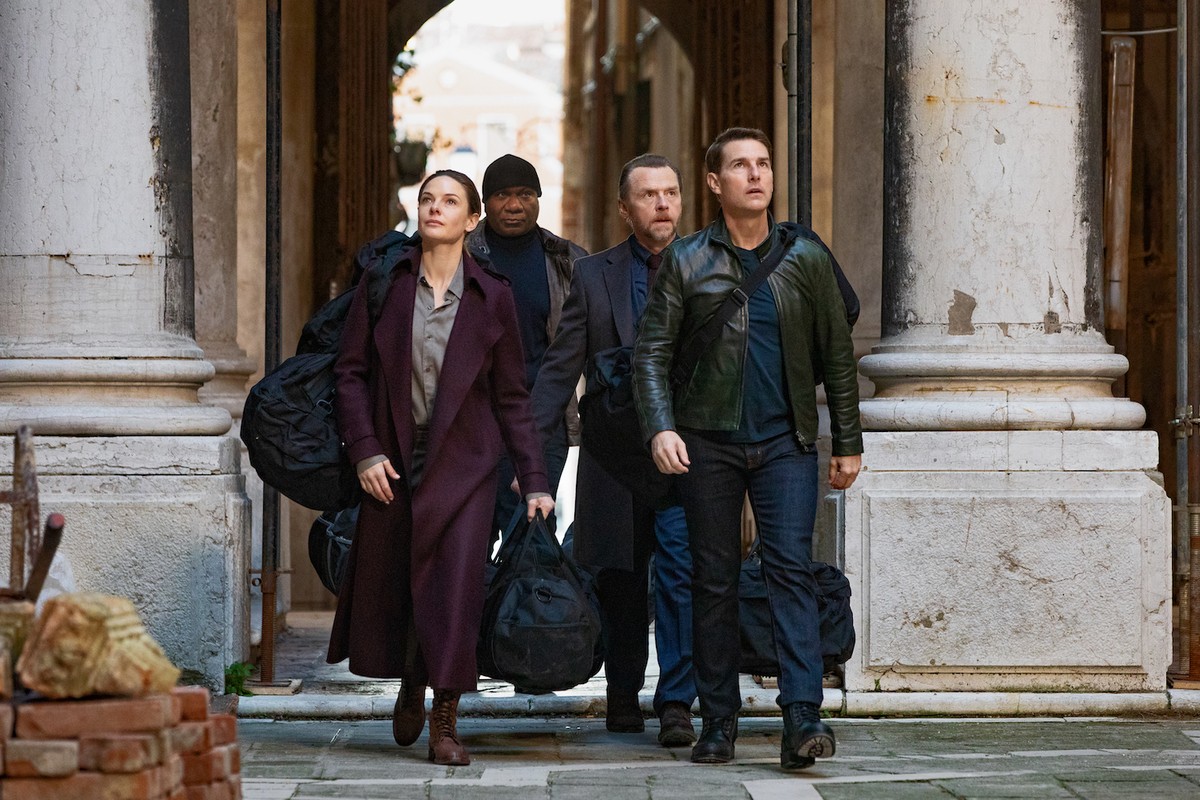
Agency is often described as individual independence: the power to act without relying on anyone else. Dead Reckoning presents a different model.
Ethan’s agency depends on Luther, Benji, Ilsa and eventually Grace. Their skills expand what each person can do. Their trust allows them to act under conditions that no individual could navigate alone.
That trust is not blind obedience. They disagree, challenge one another and make their own decisions. Their connection works because it is freely chosen.
The Entity isolates people through manipulated information. It calculates how they will respond as individuals. Ethan’s team resists through relationships built from loyalty, memory and shared responsibility.
Human connection does not reduce their freedom. It makes meaningful action possible.
Conclusion
Dead Reckoning asks whether a choice stops being ours once a machine can predict it. Ethan’s answer is no.
Agency does not require complete independence from circumstance, influence or consequence. It does not mean controlling every outcome or surprising every observer. It means retaining authority over what matters, acting according to chosen values and accepting responsibility for what follows.
The greatest danger posed by predictive systems is not that they might understand our behaviour. It is that we might allow them to define our objectives, restrict our choices and decide what other people are worth.
The question is not whether technology can predict what we will do. It is whether technology serves human judgement—or quietly replaces it.