Where the story stands today
What it means to keep knowledge accessible
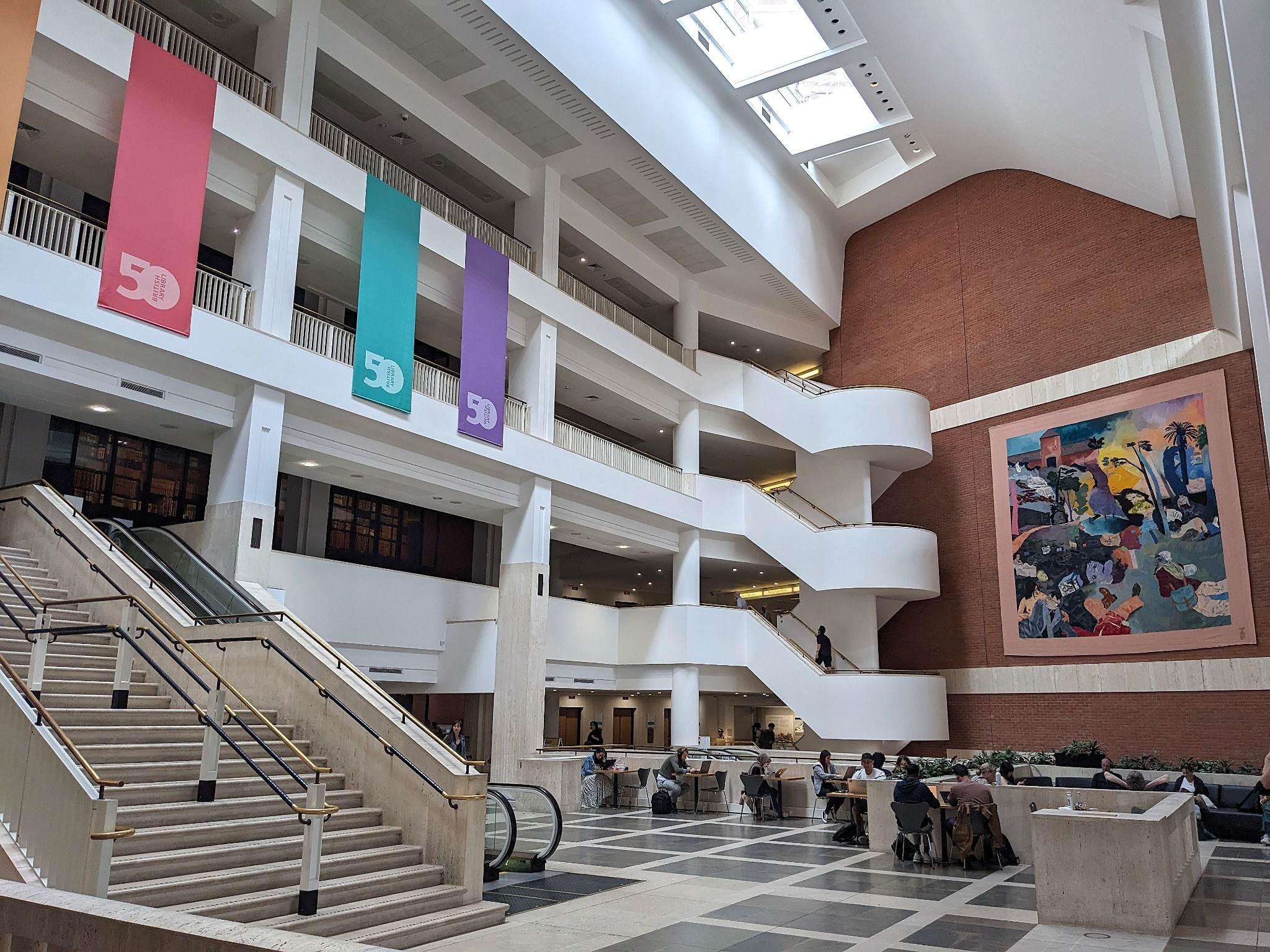
On 1 November 2026, the British Library is at another transition. Its declared mission remains to make intellectual heritage accessible to everyone. But the meaning of that responsibility has changed repeatedly.
When the institution's predecessors were assembling royal manuscripts, preservation meant securing extraordinary physical objects. When Parliament established the British Museum, it meant creating a lasting public custodian. When Panizzi introduced his cataloguing rules, it increasingly meant making collections findable. When Patrick Saul founded his sound archive, it meant recognising that culture existed beyond the printed page. When the national lending library developed, it meant bringing information to people who could not travel to it. When the British Library was created in 1973, it meant integrating specialised institutions into a shared national service. When the internet transformed publishing, it meant preserving information that could change or disappear without ever taking physical form. And when the cyberattack struck in 2023, it became painfully clear that preservation, discovery, security and access are inseparable responsibilities.
The central challenge now is not simply to expand a collection. It is to maintain a trustworthy relationship between what the nation creates, what the Library preserves, what its systems can discover and what people can actually use.
The question running through this entire history is therefore:
How do you make decisions today that preserve the value of knowledge for people whose needs, technologies and circumstances you cannot yet know?
Image source — The British Library today
Image source and credit: British Library entrance hall photograph: Jps3, photographed around July 2023, resized web rendition, Wikimedia Commons, CC BY-SA 4.0, https://commons.wikimedia.org/wiki/File:The_British_Library_Entrance_Hall,_London,_July_21,_2024.jpg, https://creativecommons.org/licenses/by-sa/4.0/ .