The institution reaches another turning point
The pressures facing a modern library
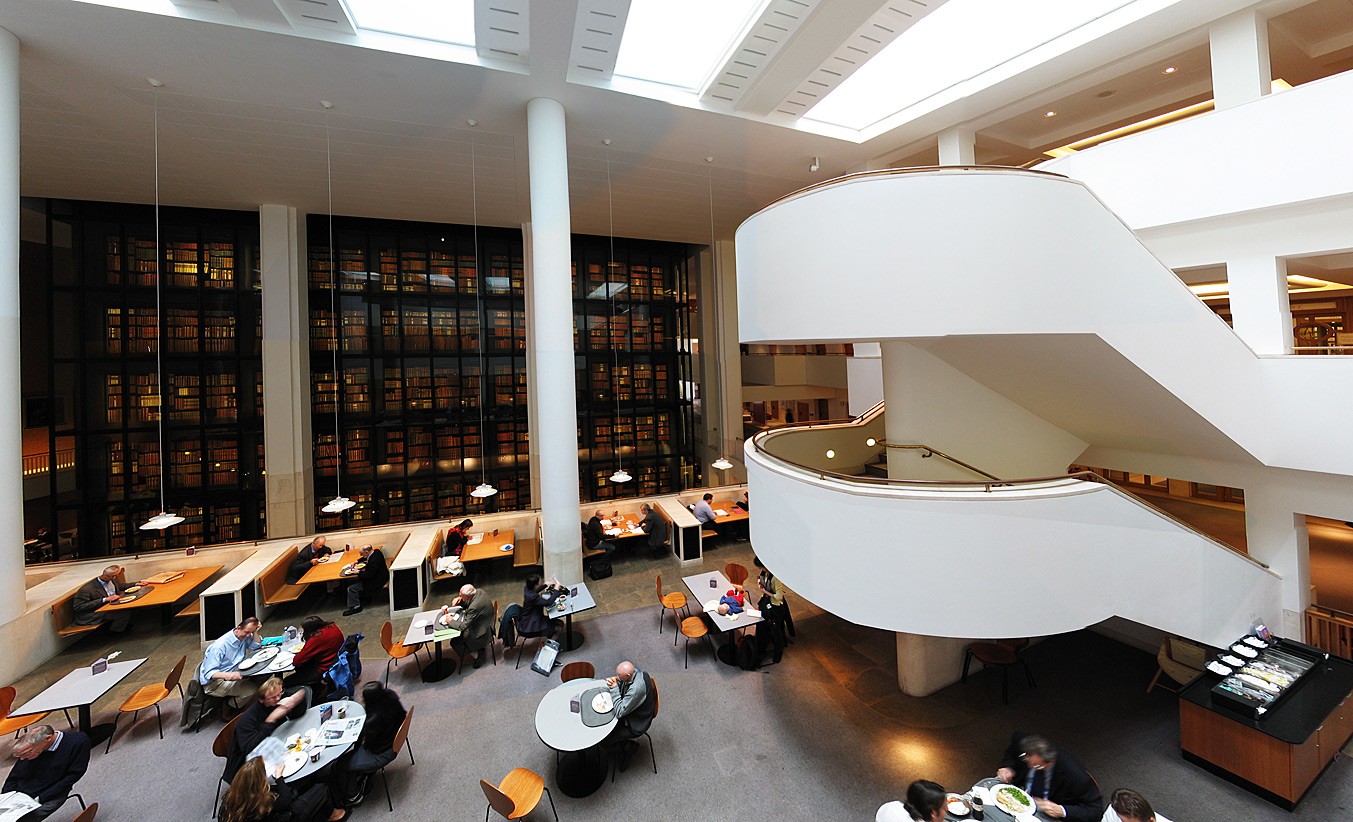
By 2026, the Library faced several pressures simultaneously. Its digital infrastructure needed renewal after the attack. Its physical collections continued growing. Its Reading Rooms were experiencing changing patterns of use. Its finances were under increasing pressure. And artificial intelligence was transforming how people searched for, produced and evaluated information.
On 22 September 2026, the Library announced the appointment of Dr Paul Bate as its next Chief Executive, with a planned start date of 4 November.
A strategy for changing conditions
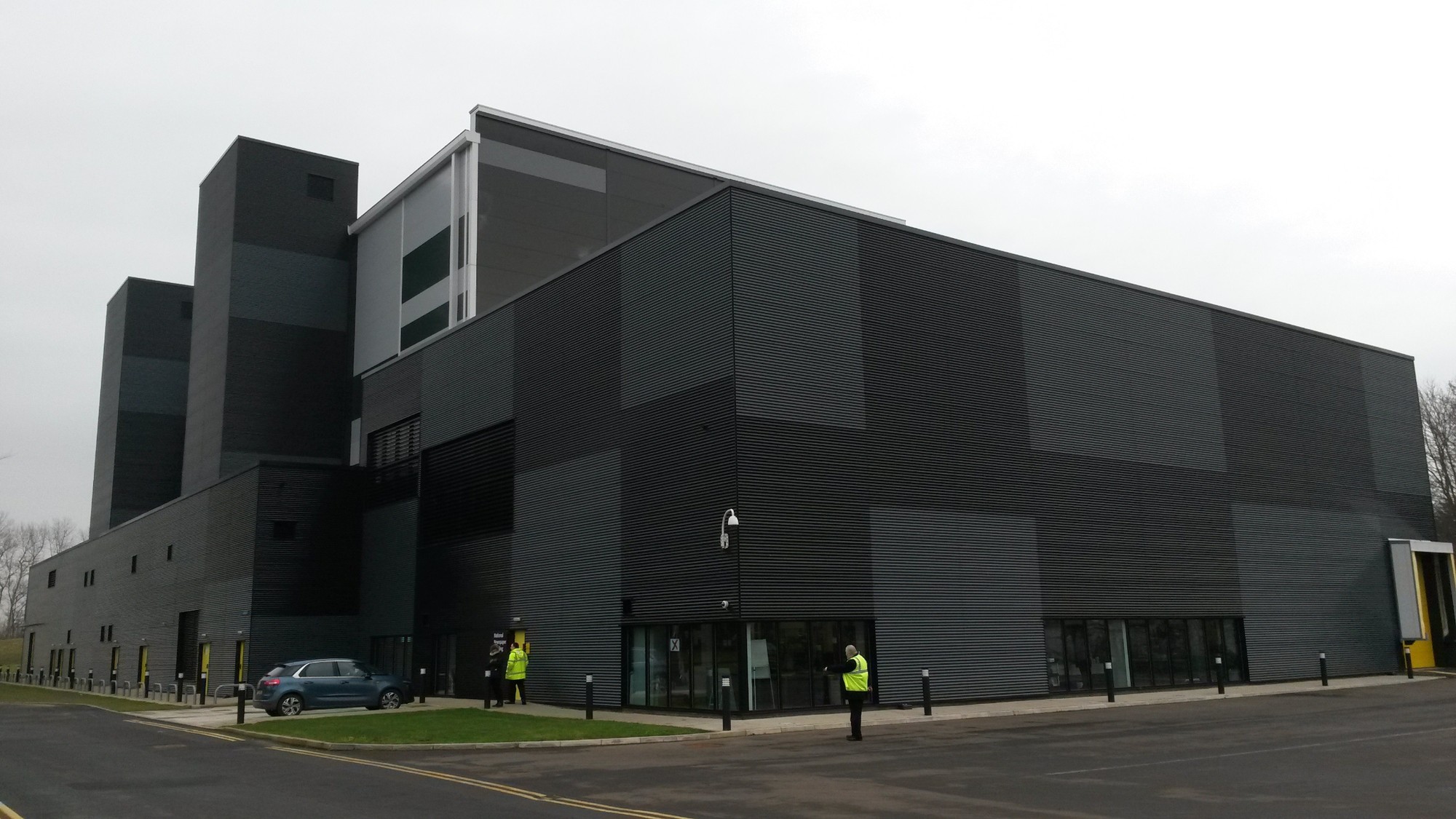
A month later, on 22 October, the Library announced its refocused strategy, Growing Knowledge 2026–2032. The strategy identified three priorities: protect and improve core library services, respond to changing researcher needs, and engage the next generation.
These priorities were not a rejection of the Library's history. They were an attempt to preserve its purpose under changing conditions. Digital services were no longer optional additions to a physical institution.
On 28 October 2026, Interim Chief Executive Jeremy Silver set out a particularly tangible proposal. The Library wanted to repurpose three Science and Social Sciences Reading Rooms as flexible workspace, relocating their specialist services elsewhere in the building. The proposal was intended to support greater commercial use of the estate and improve financial sustainability. According to Silver, the real-terms value of the Library's government grant was around two-thirds of what it had been a decade earlier, while expenditure was forecast to exceed income over the following two years. The Library argued that modernisation was necessary to preserve its public mission.
But the proposal created questions that a responsible Board would need to examine. Would specialist researchers receive the same standard of service in different rooms? Would the income generated justify the changes? How would accessibility, consultation and public benefit be protected? The proposal was not yet a completed transformation. Its eventual significance would depend on what actually happened.
Boston Spa and the need for more space
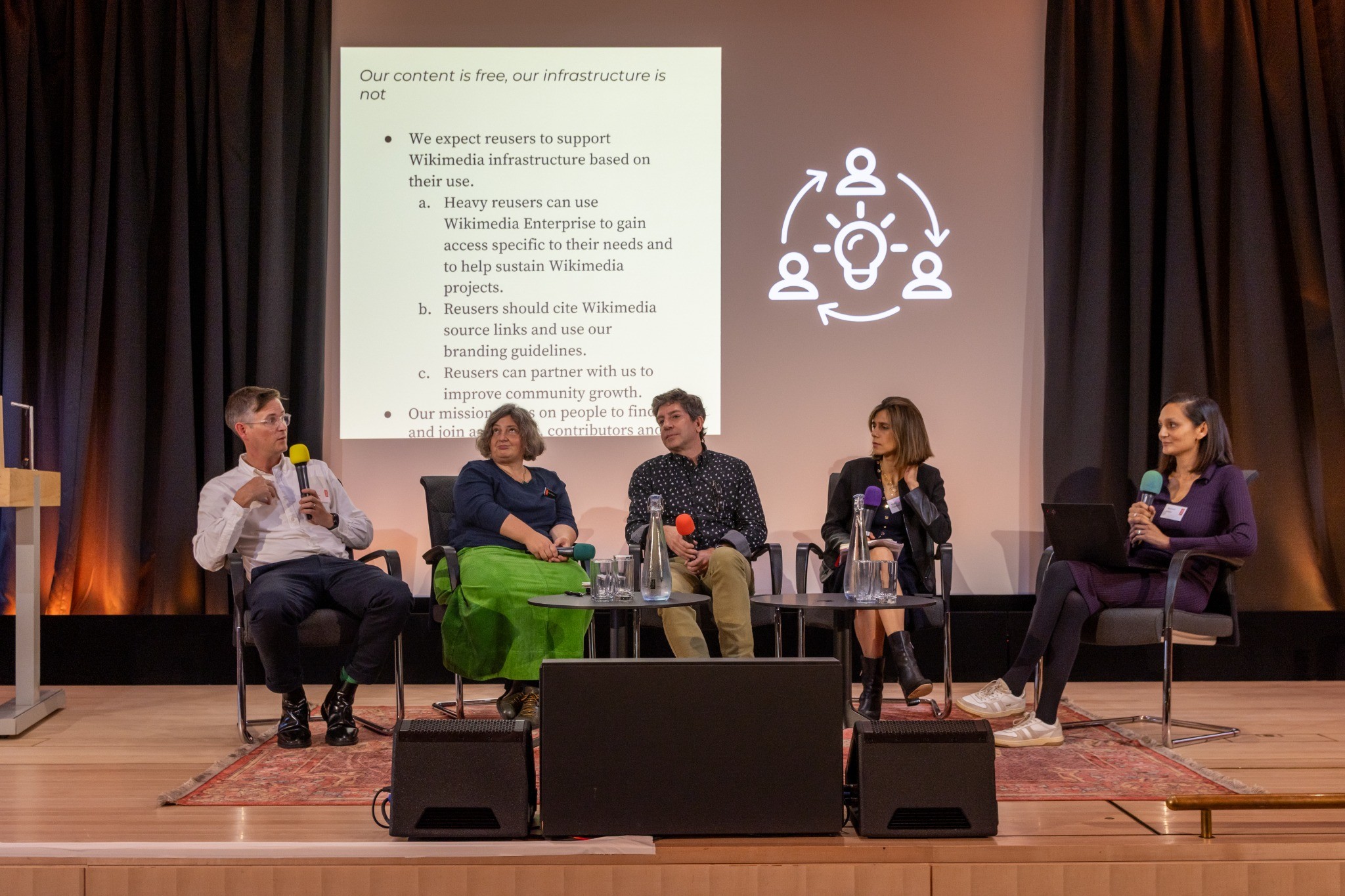
Meanwhile, the Library's plans extended beyond St Pancras. Boston Spa required more storage. The Library stated that over three-quarters of its collection was held there and that the expanding holdings required approximately eight kilometres of additional shelving each year. Plans for new sustainable storage, public learning spaces, development in Leeds and further transformation at St Pancras were part of the same challenge.
The institution had to continue preserving the past while changing the infrastructure required to serve the future.
The form of the challenge had changed repeatedly, but its core was familiar: decisions about collections, systems and public access would shape what future generations could use.
Image sources — Strategy and future capacity
Image sources and credits: British Library study-area photograph: Andrew Dunn (2004), CC BY-SA 2.0, https://commons.wikimedia.org/wiki/File:BritishLibraryInterior02.jpg, https://creativecommons.org/licenses/by-sa/2.0/ . Knowledge Is Human event photograph (2025): Mike Peel, resized, Wikimedia Commons, CC BY-SA 4.0, https://commons.wikimedia.org/wiki/File:Knowledge_is_Human_-_The_Information_Ecosystem_in_the_age_of_AI_2025_63.jpg, https://creativecommons.org/licenses/by-sa/4.0/ . National Newspaper Building: Luke McKernan (2015), resized rendition, CC BY-SA 2.0, https://commons.wikimedia.org/wiki/File:National_Newspaper_Building.jpg . These are documentary images of the named locations/events, not photographs of a completed 2026 strategy programme.