The internet changes what it means to preserve knowledge
Why websites need preservation
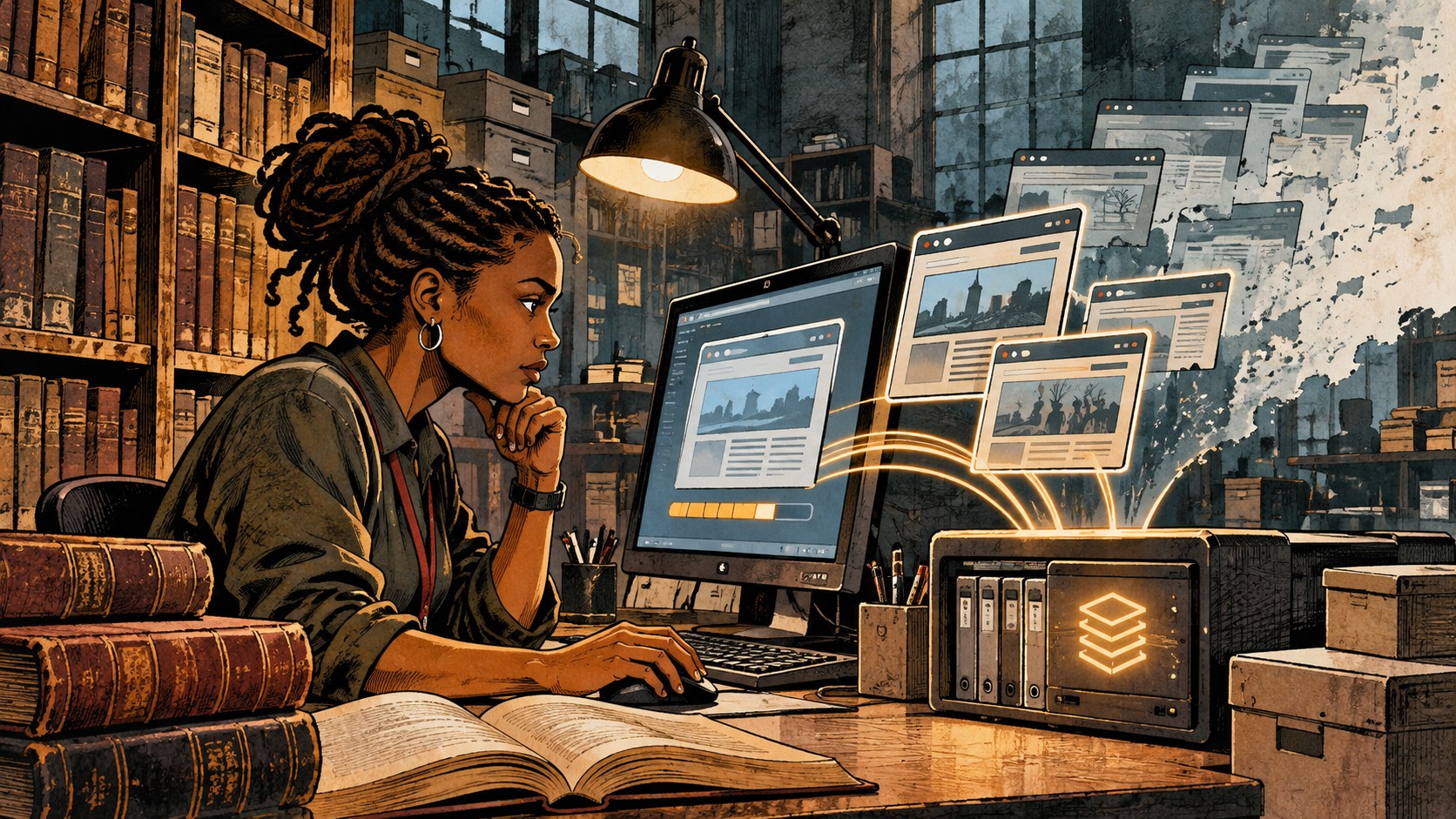
In the early twenty-first century, an increasing proportion of the country's intellectual output existed electronically. Books became digital files. Journals appeared online. Websites became places where public discussions, cultural activity and institutional records were created.
A paper publication could be delivered to a legal-deposit library. But how should a national library preserve an ever-changing website?
The UK Web Archive and legal deposit
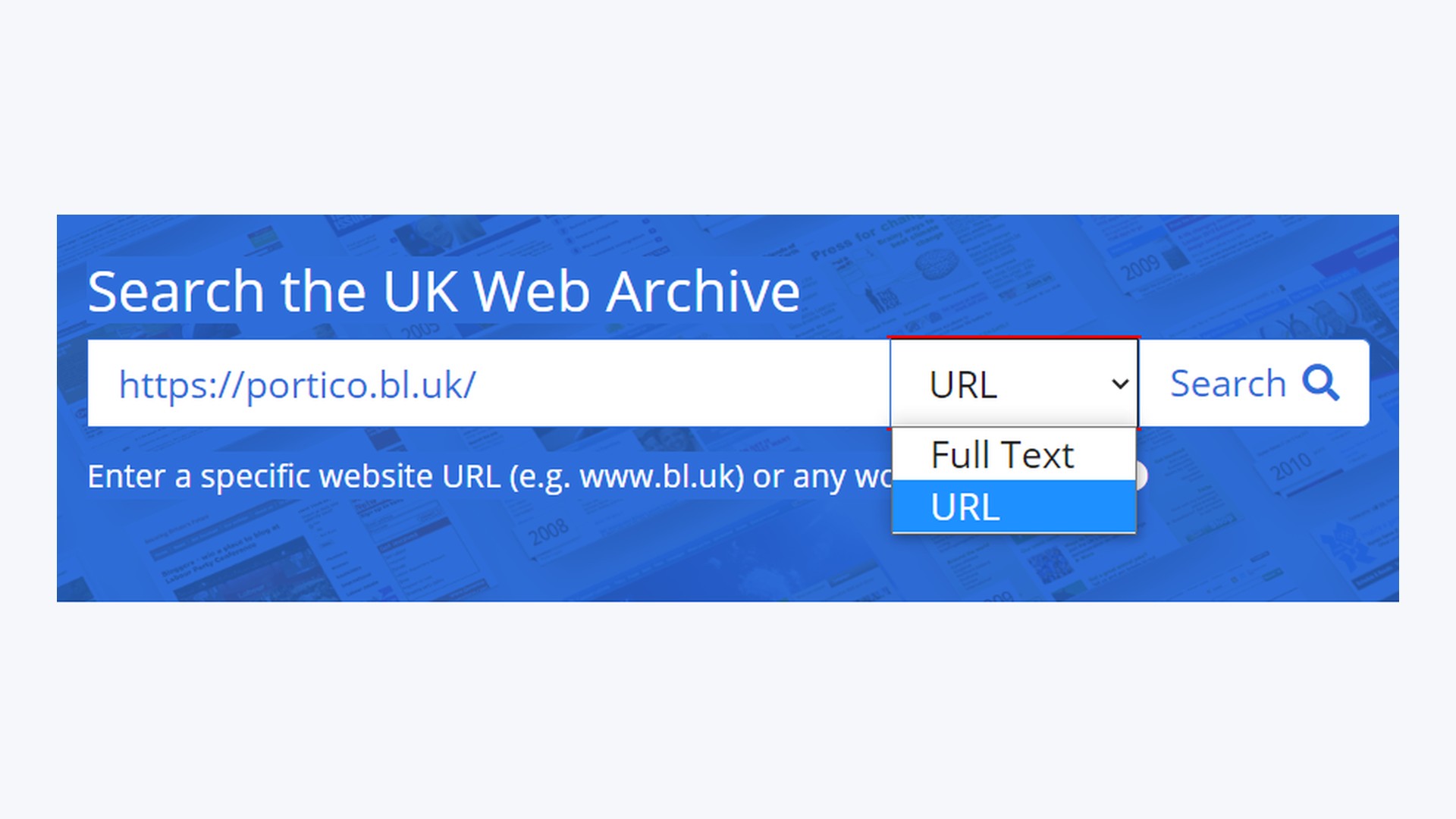
The Legal Deposit Libraries Act 2003 provided the authority for an expanded system. In 2005, the UK Web Archive began selective collection of online material. The project recognised that websites could disappear without leaving the durable physical record of a printed book.
That created a new kind of preservation challenge. A website was not necessarily one fixed object. It could change repeatedly, link to external systems and depend on technologies that would later become obsolete. The collecting problem had evolved again.
In 2013, regulations extended legal deposit to electronic publications, including online books, journals and websites. But a legal distinction remained important. Preserving digital material did not automatically mean anyone could download it from anywhere. Restrictions on access to electronic legal-deposit collections remained. The Library could now preserve more of the nation's intellectual activity than ever before, yet it still faced the practical and legal questions of how people could use what had been preserved.
The Business and IP Centre network
During the same period, another development broadened the institution's public purpose.
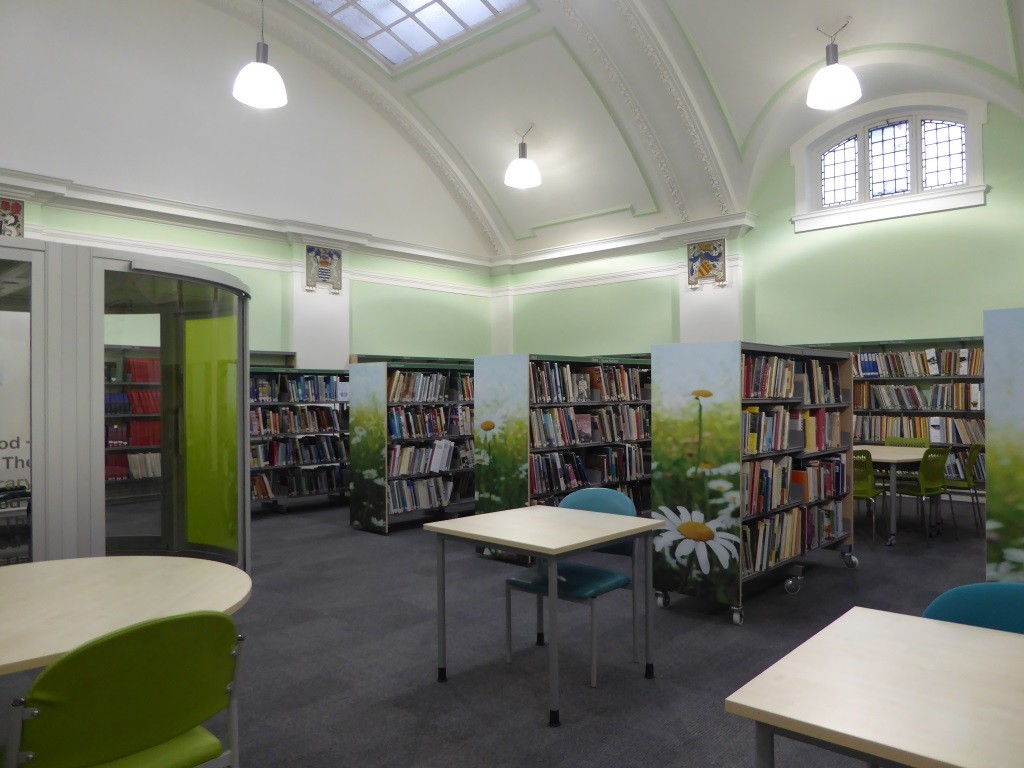
In 2006, the British Library opened its Business & IP Centre. It offered entrepreneurs access to market research, business information, intellectual-property guidance and practical support. This changed the relationship between the Library and a section of its audience. A person did not need to be researching a historical manuscript or writing a doctoral thesis to benefit from the Library's expertise. They might be trying to start a business.
The model subsequently expanded through public-library partnerships. By February 2026, the British Library reported a network of more than 70 Business & IP Centre hubs across the UK. A service first established in one building had developed into a nationwide network.
Save Our Sounds and obsolete formats
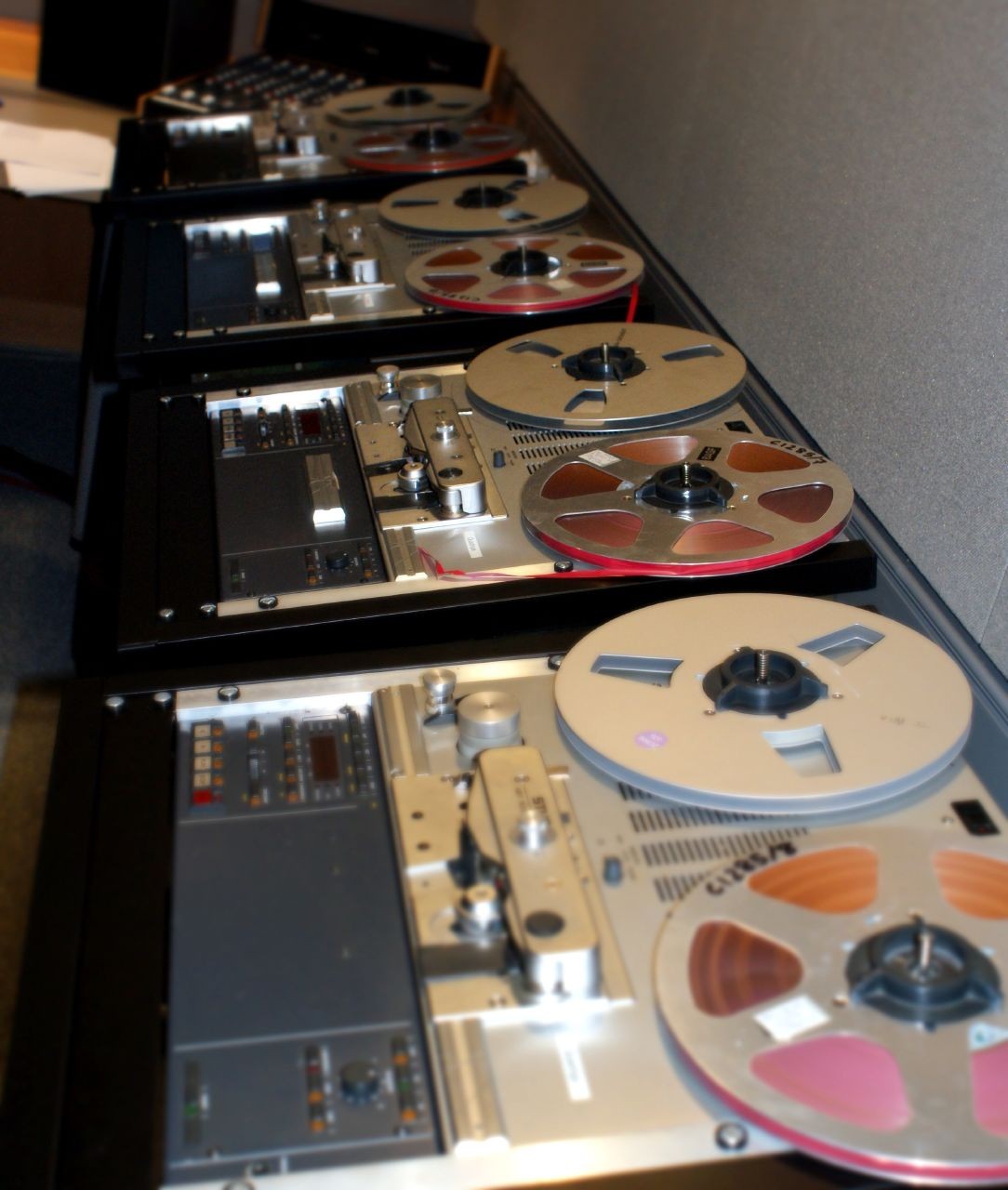
At the same time, the preservation of sound recordings required another form of intervention. Older recording formats were deteriorating. Playback equipment was becoming obsolete. The Library's 2015 Save Our Sounds initiative responded to the danger that recordings might become unusable even while the physical objects survived.
Once again, collecting something was not enough. The institution had to preserve the means of accessing it.
By 2023, the question extended beyond recordings and obsolete formats. As catalogues and services depended increasingly on digital infrastructure, a failure of those systems could cut readers off from collections that were still physically intact.
Image sources — Digital preservation and public services
Image sources and credits: Web-archiving illustration: original Unset editorial artwork (2026), interpretative reconstruction. UK Web Archive interface: Dr Andrew N. Jackson (2023), cropped and resized, CC BY 3.0, https://anjackson.net/2023/04/13/uk-web-archive-technical-update-spring-2023/, https://creativecommons.org/licenses/by/3.0/ . Business & IP Centre Northamptonshire library room: Julia Chandler / Libraries Taskforce (2017), CC BY 2.0, unaltered, https://commons.wikimedia.org/wiki/File:BIPC_Northamptonshire_in_Northampton_Central_Library_%2832702018341%29.jpg, https://creativecommons.org/licenses/by/2.0/ . Sound Archive equipment: Andy Powell (2009), Wikimedia Commons, CC BY 2.0, https://commons.wikimedia.org/wiki/File:BL_Sound_Archive_tapes.jpg .