A library assembled from many histories
An institution inherits colonial records
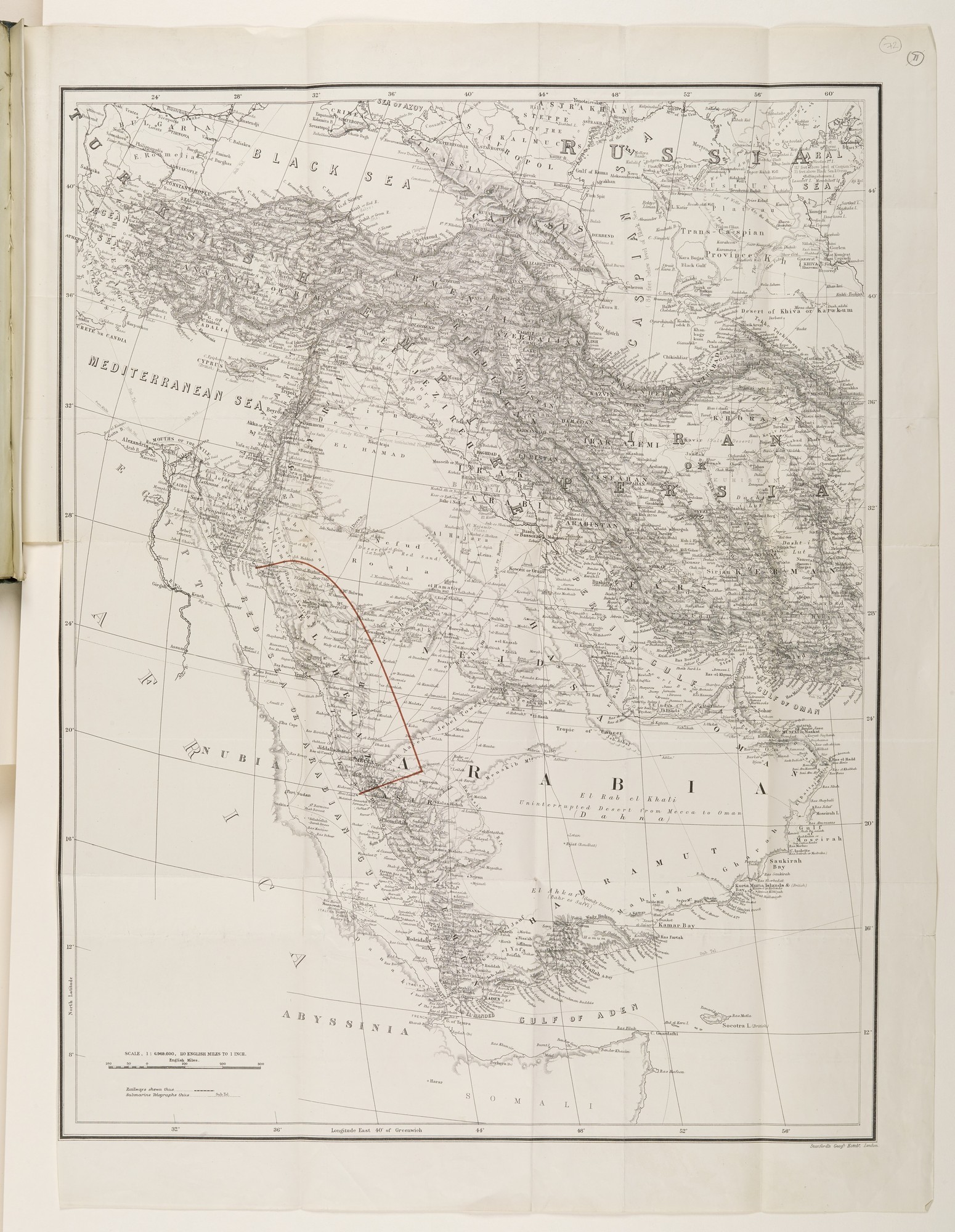
The process of assembling the British Library continued after 1973. In 1974, the British National Bibliography and the Office for Scientific and Technical Information were incorporated. In 1982, the India Office Library and Records transferred to the British Library. The institution now held major archival collections documenting the East India Company, the British administration of India and aspects of British colonial involvement across Asia and the Gulf. These records expanded the Library's importance to historians, but also its responsibilities for provenance, description and interpretation.
In 1983, Patrick Saul's sound-recording institution joined. The Library was becoming something far broader than an enormous collection of books. It was bringing together written documents, manuscripts, recorded voices, music, scientific literature, government archives, maps, newspapers and other forms of evidence about human activity. But the collections remained dispersed across buildings and services. The question of physical accommodation became increasingly urgent.
A new national building takes shape
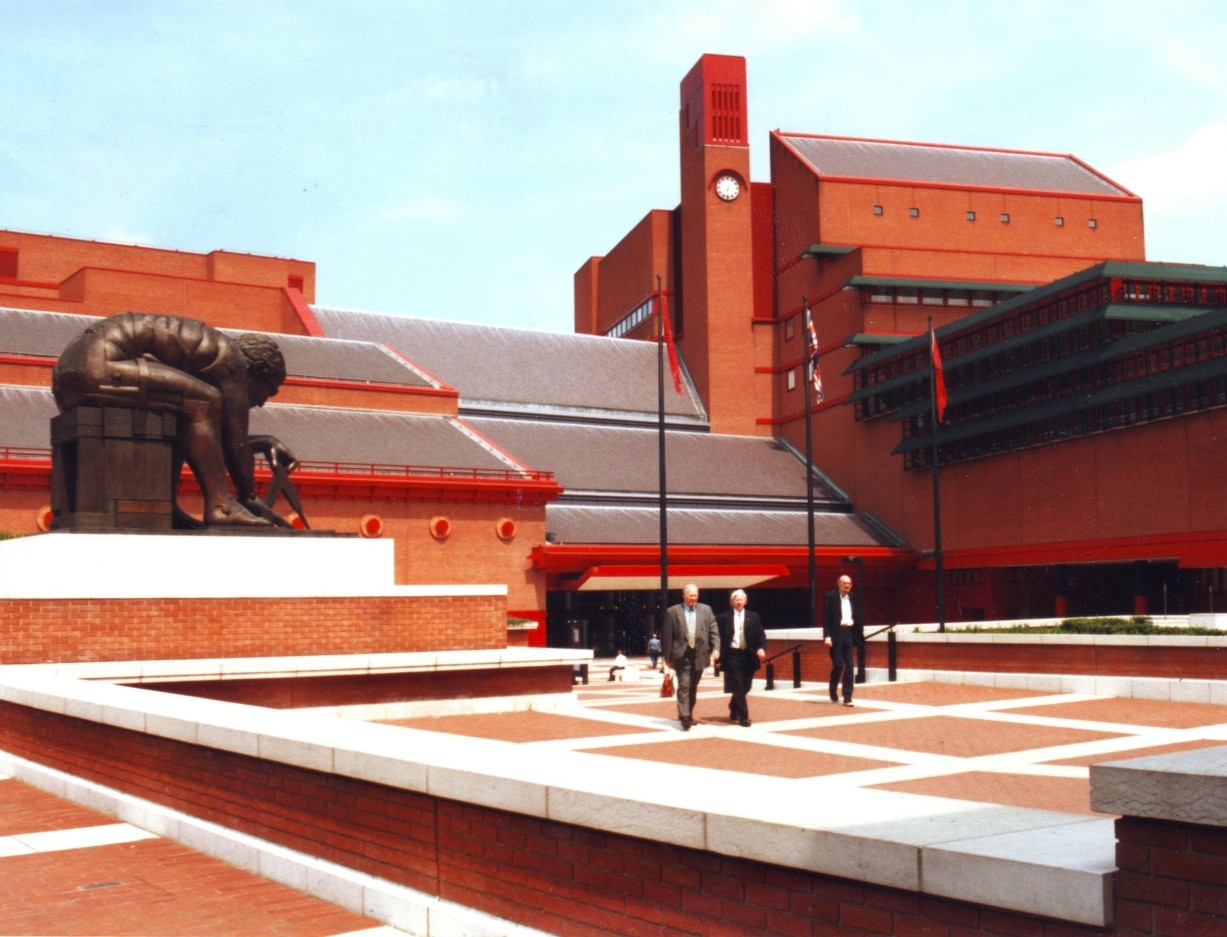
Construction of the new British Library at St Pancras began in the 1980s. Readers began using its Reading Rooms in November 1997. Public exhibition galleries opened on 21 April 1998, followed by the building's official inauguration that June. The new site was designed to unite collection storage, retrieval, research and public engagement more effectively.
The King’s Library within St Pancras
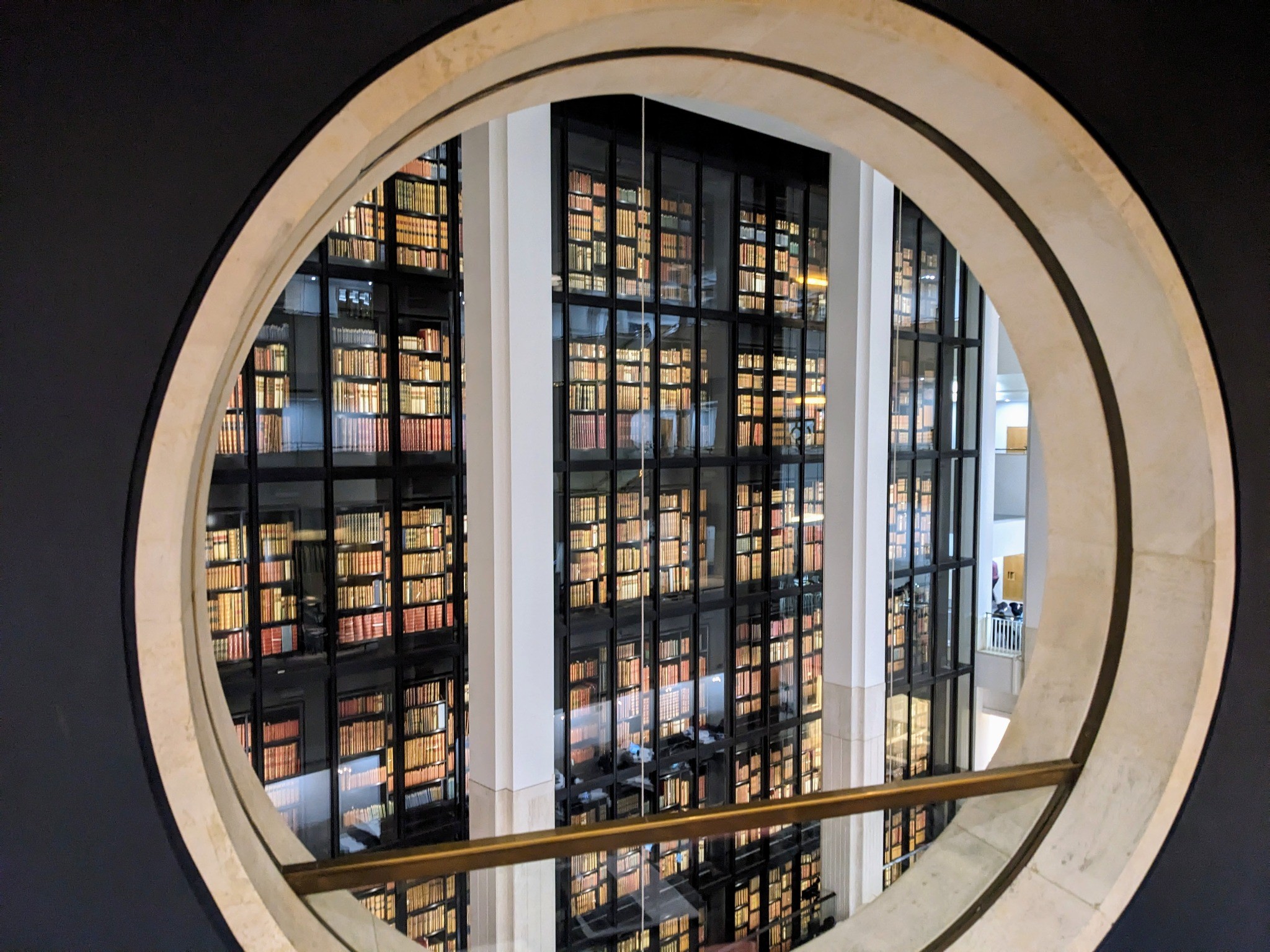
George III's King's Library, given to the nation in 1823, became part of the architectural identity of the new building. A royal collection assembled two centuries earlier was now visible within a purpose-built national institution. Yet even this major physical transformation was not the end of the story. The collection continued to grow. Boston Spa continued to provide essential storage and document services. And the nature of research was already changing. The library had just completed a monumental response to the problems of the physical research environment. It was entering an age in which increasingly important questions would concern information that did not exist primarily in physical form.
Image sources — Collections and St Pancras
Image sources and credits: King's Library Tower photograph: The wub (2023), resized, Wikimedia Commons, CC BY-SA 4.0, https://commons.wikimedia.org/wiki/File:King%27s_Library_Tower_from_Members%27_Room%2C_British_Library.jpg, https://creativecommons.org/licenses/by-sa/4.0/ . Historical India Office map (c.1917): British Library / Qatar Digital Library, public domain, https://www.qdl.qa/en/archive/81055/vdc_100048155530.0x000001 . British Library exterior (May 1999): Ziko van Dijk, cropped, CC BY-SA 3.0, https://commons.wikimedia.org/wiki/File:1999-british_library.jpg, https://creativecommons.org/licenses/by-sa/3.0/ .