Before there was a British Library
Manuscripts in the hands of a few
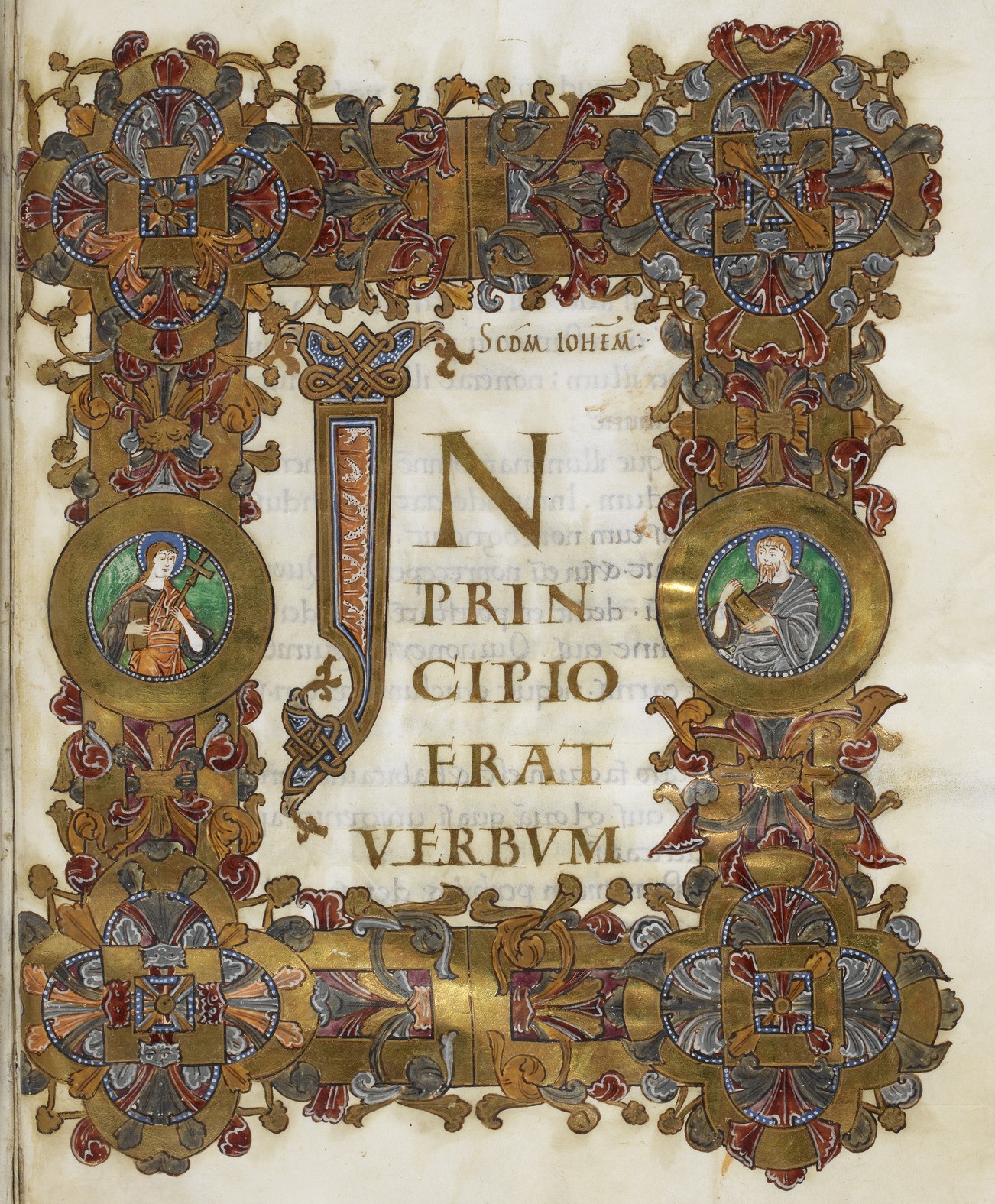
The story of the British Library begins long before the institution itself existed.
In medieval Britain, books were precious objects. Manuscripts took time to produce, and substantial collections belonged largely to monarchs, monasteries, wealthy families and institutions. Knowledge could be preserved for centuries, but possession and access were closely tied to power. Edward IV, who became king in 1461, developed a royal manuscript collection. Much of this material would eventually form part of the Old Royal Library.
Printing turns preservation into a national problem
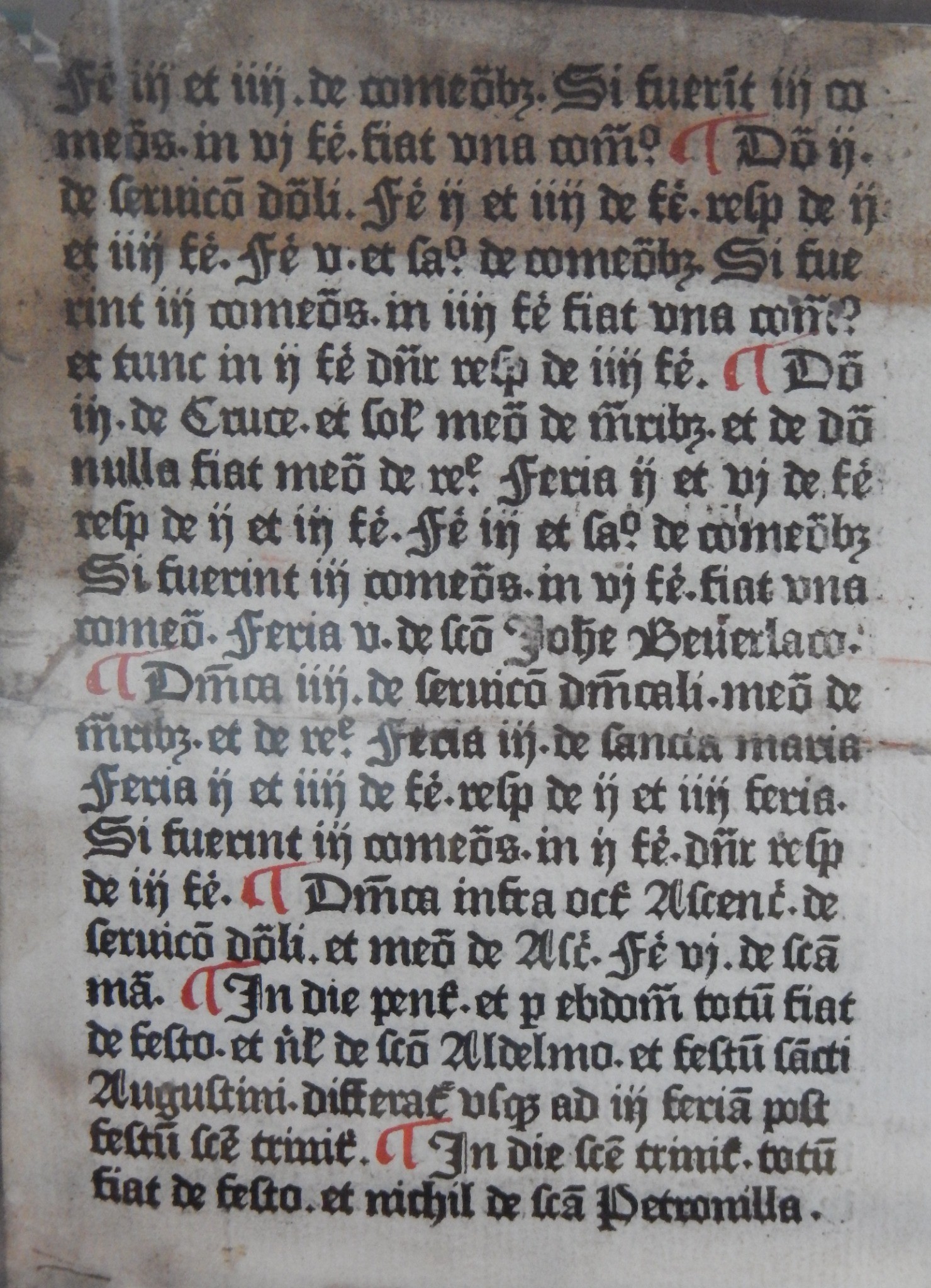
Then, around 1476, William Caxton established a printing press at Westminster. Printing had already transformed parts of Europe, but its arrival in England created new possibilities for producing and circulating texts. Books could increasingly be reproduced rather than individually copied. More people could encounter the same work. More works could survive the loss of an individual manuscript. But the advantages of printing introduced a different problem. How could a society preserve an ever-growing quantity of published knowledge? An individual collector could preserve a collection. That was not the same as preserving the intellectual output of an entire country. In 1602, Sir Robert Cotton petitioned Elizabeth I for the establishment of a national library. He was unsuccessful. Cotton continued assembling his own extraordinary collection of manuscripts, which later passed into national ownership. Other collectors did similar work. Robert Harley and his son accumulated manuscripts and documents. Sir Hans Sloane assembled a vast collection covering natural history, books, manuscripts and objects from around the world. These people collected for different reasons, often with significant private resources and unequal access to the societies and cultures from which material came. Yet their collections would eventually form the foundations of a public institution. A significant legal development had already occurred in 1662, when legal deposit entered English law. Over time, this system would establish a continuing obligation to preserve published material. That principle would outlast the monarchy, governments, buildings and technologies through which it was administered.
Image sources — Manuscripts and early printing
Image sources and credits: Journey cover — Matt Brown, British Library exterior (2026), CC BY 4.0, https://commons.wikimedia.org/wiki/File:The_British_Library_2026-04-27.jpg, https://creativecommons.org/licenses/by/4.0/ . Chapter images — Cnut Gospels, British Library Royal MS 1 D IX f.111r, CC0; Caxton printed leaf, photographed by BabelStone, CC0, https://commons.wikimedia.org/wiki/File:Caxton_leaf_Reading_University.jpg .