Knowledge escapes the boundaries of books
Knowledge extends beyond the printed book
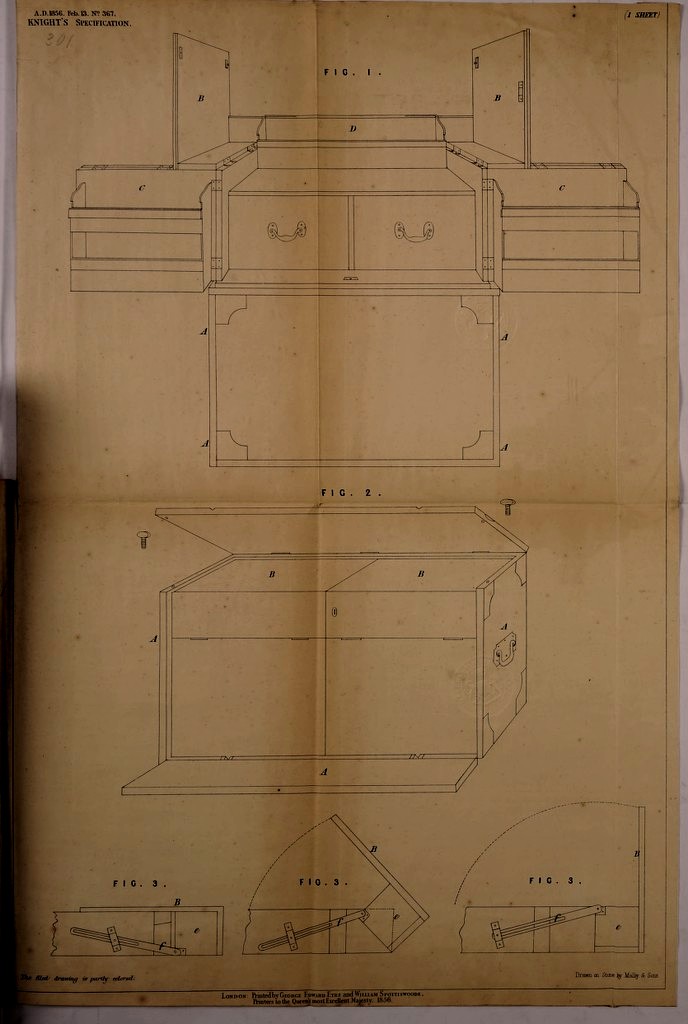
As the nineteenth century progressed, industrialisation and scientific development created new demands for information. Inventors needed patents. Engineers needed technical specifications. Researchers needed scientific publications. Governments and businesses required increasingly specialised sources.
The Patent Office Library, established in the nineteenth century, became one of the predecessors of the modern British Library. Meanwhile, the East India Company and its successor administrations had generated extensive libraries and records documenting Britain's commercial and colonial activities. This material had a very different origin from the personal collections of kings or literary scholars. It recorded administration, trade, political control and the exercise of imperial power. Eventually, these records would also come into the British Library's custody. Their history raises questions extending beyond preservation: who created a record, why it was created, whose perspectives it preserves and whose perspectives it excludes.
The definition of intellectual heritage was expanding.
Patrick Saul searches for a lost recording
And then an apparently small event exposed another gap.
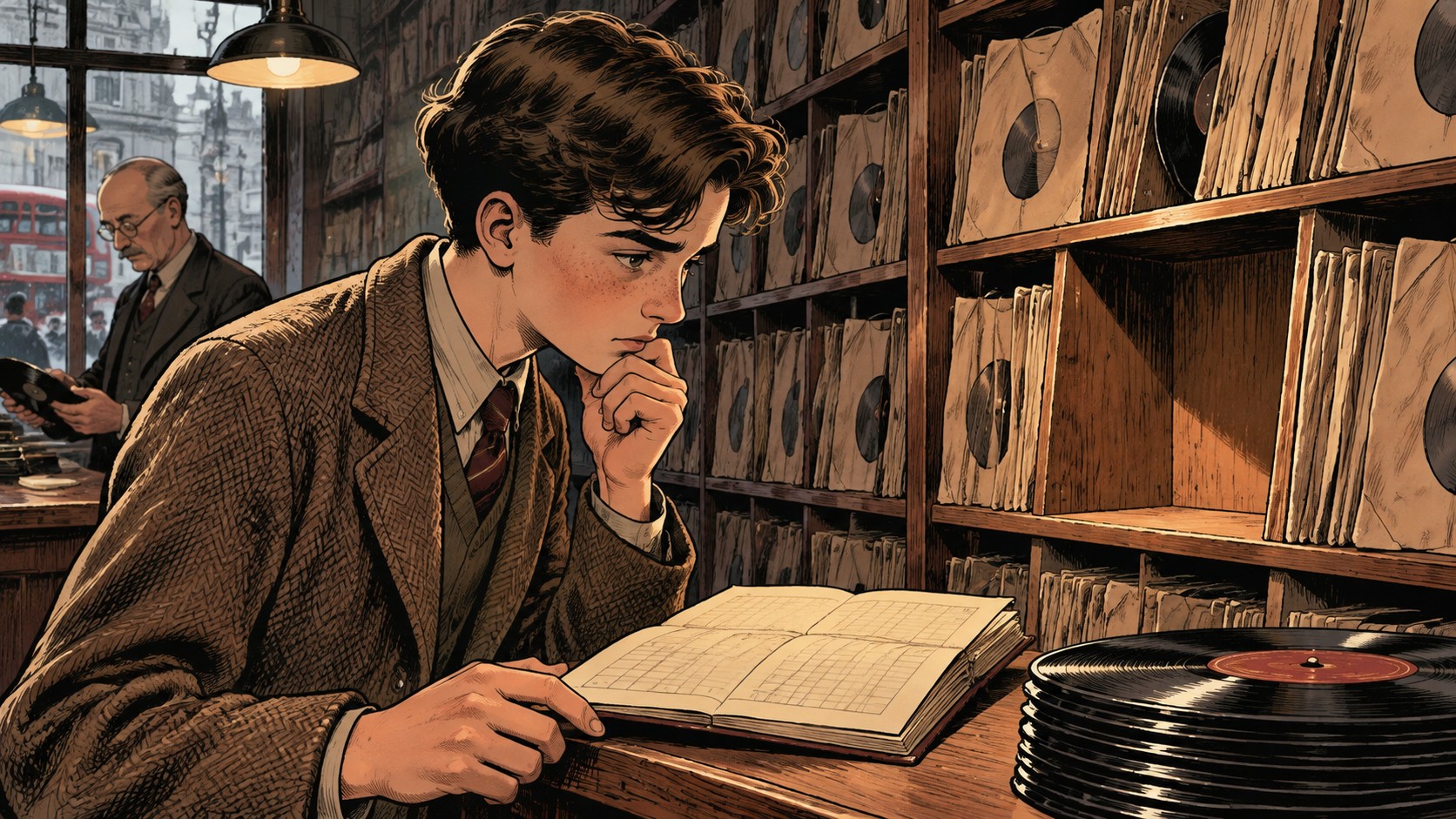
In the 1930s, a teenager named Patrick Saul visited a record shop searching for a performance by the violist Lionel Tertis. He discovered that the recording was no longer available. Assuming that such an important recording must have been preserved somewhere, he went to the British Museum. It had not been collected.
An unexpected telephone call
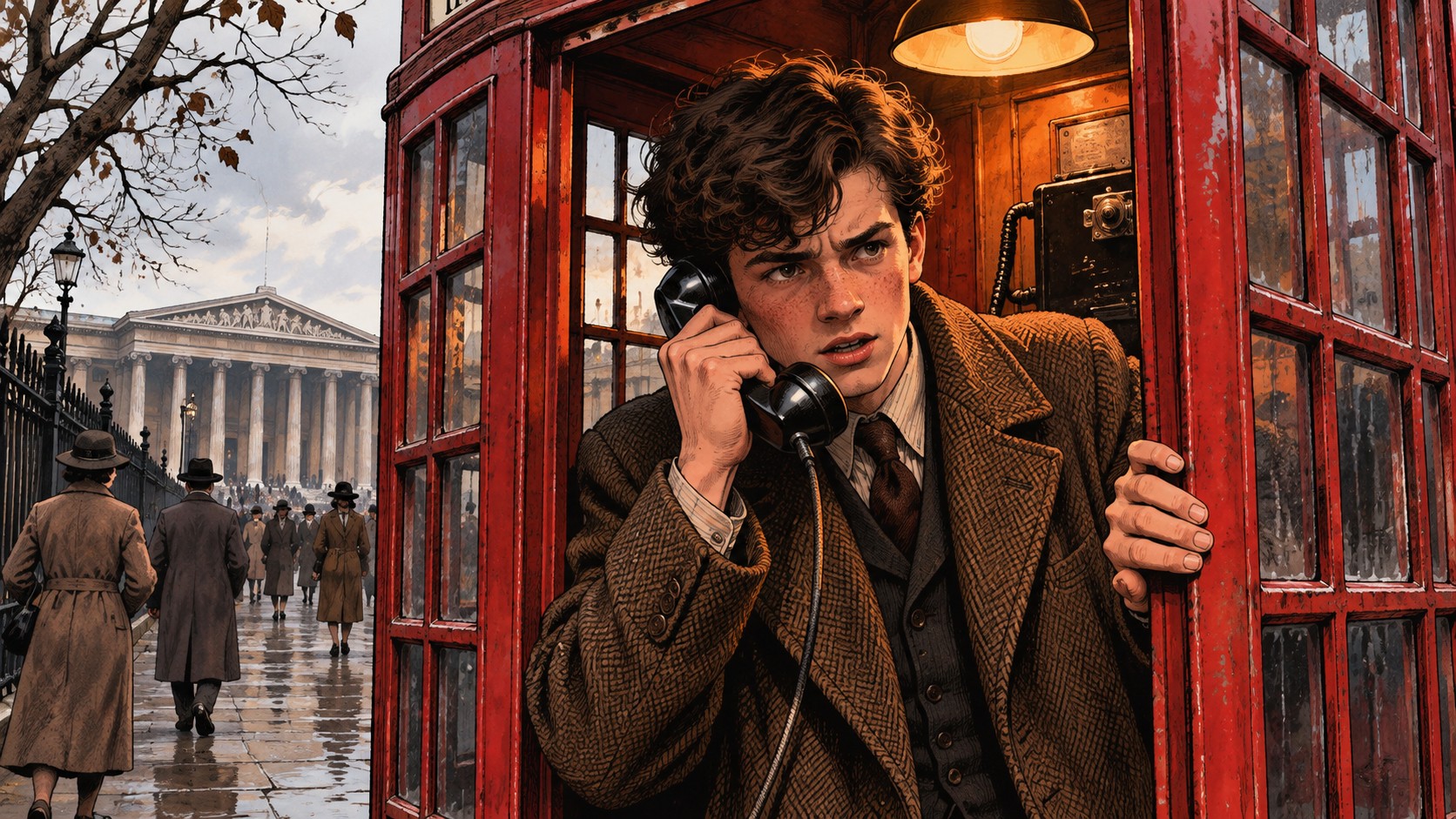
According to the British Library's account, Saul tried to approach the Museum's director, lost his nerve and left. He eventually telephoned from a nearby telephone box to argue that recorded sound deserved a national collection. The director was sympathetic, but Saul was told to return when he was older.
Saul never forgot the experience. The immediate event was almost trivial: a teenager couldn't find a particular record. Its eventual implications were not trivial at all. Saul came to understand that an entire category of cultural production might disappear because nobody had accepted responsibility for preserving it.
Building a national recorded-sound archive
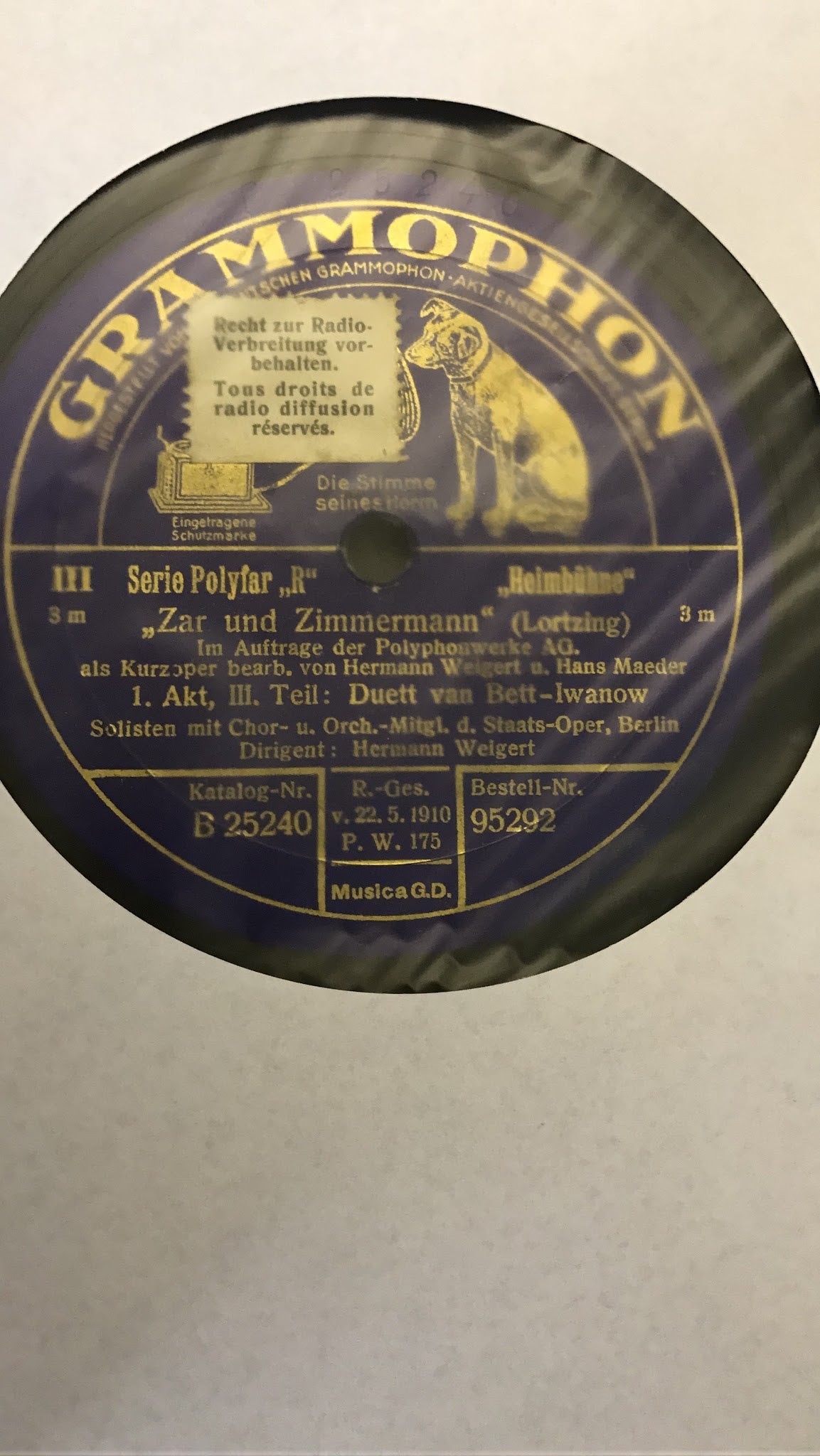
In 1955, with financial assistance and affordable premises, he opened the British Institute of Recorded Sound. The Institute collected recordings donated by individuals as well as organisations. It preserved music, voices and performances that might otherwise have been lost. In 1983, the Institute became part of the British Library as the National Sound Archive.
An unsuccessful visit to a record shop had helped set in motion the creation of a national cultural resource. This is perhaps the clearest example in our timeline of a small event carrying enormous historical significance.
Saul’s story exposed a gap in what was preserved. Around the same period, researchers faced a different limitation: important information existed, but they could not always reach it from where they worked.
Image sources — Patents and recorded sound
Image sources and credits: Patrick Saul record-shop and telephone scenes: original Unset editorial illustrations (2026), imagined reconstructions. Richard Knight's 1856 medical-chest patent drawing: Wellcome Collection, Public Domain Mark, https://creativecommons.org/publicdomain/mark/1.0/ ; contrast/sharpness adjusted. Shellac record photograph: Pdproject (2017), Wikimedia Commons, CC BY-SA 4.0, resized, https://commons.wikimedia.org/wiki/File:SFPD-Record_from_container.jpg, https://creativecommons.org/licenses/by-sa/4.0/ .